Evolving Idea

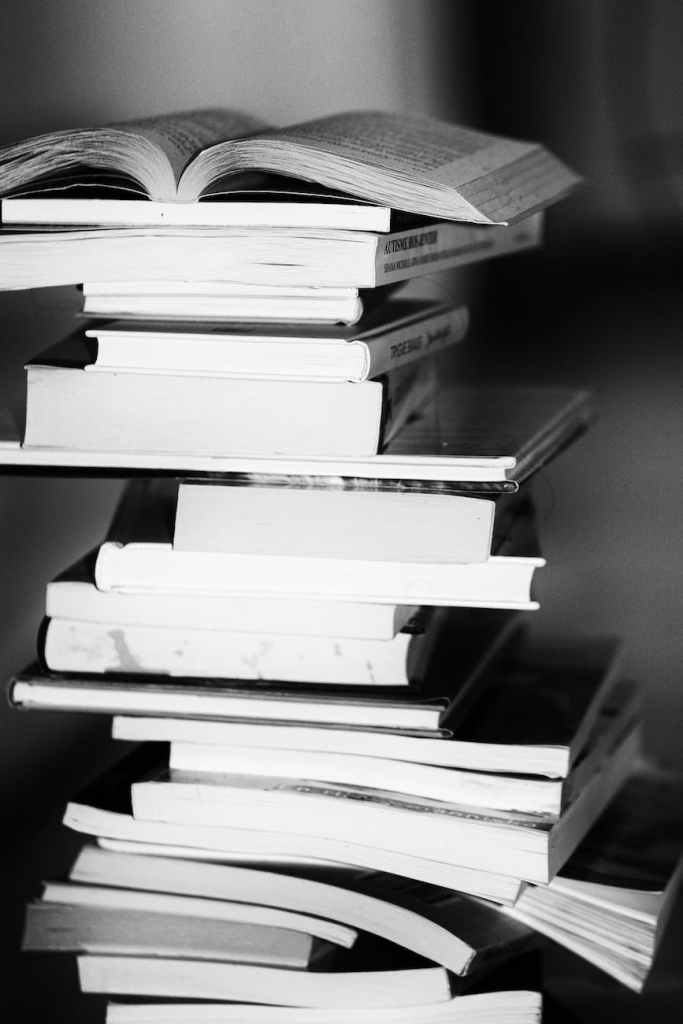
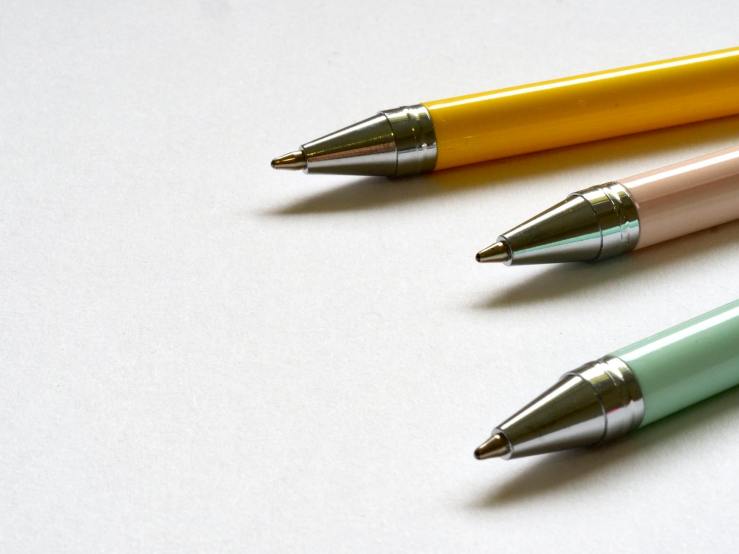
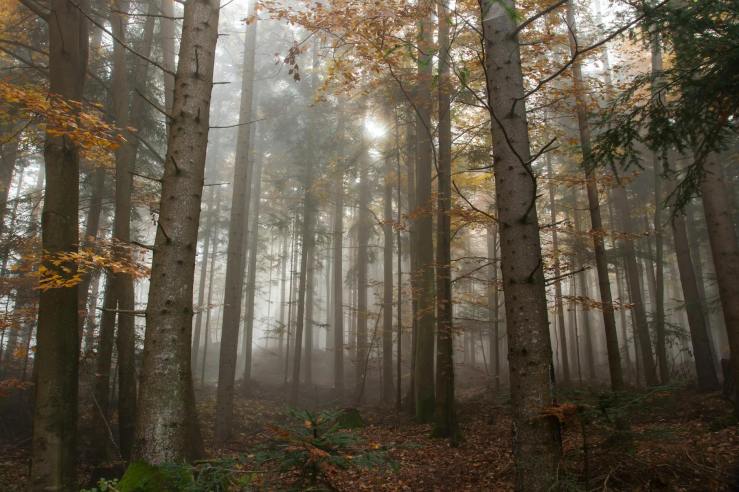
Photo by Kathy Jones on Pexels.com

Most of the ideas I’ve had for the novels I’ve written started off as short stories, something I could type in a day or two. But for some ideas, they evolved and grew beyond the confines of a short story, branching out to layers of detail that require hours, weeks, and months of dedication to rummage through and explore.

It begins as a seed that soon grows into a tree that encompasses a universe of imaginative events, bringing forth twists and turns and character arcs and pivotal moments where more mysteries lie. It blooms into something we couldn’t have imagined unless we tended to it overtime with care and passion.

Although we can have dozens of ideas for stories, a small portion will catch our attention, won’t leave our thoughts until we tend them again and again, watering them with our time and research and labor until they stand tall in a field of finished works while others bask in its shadow.

Faster Thoughts

Photo by meo on Pexels.com

When we write, our thoughts can get ahead of us like we’re trying to catch up with them in a relay race. They sprint ahead while we struggle to hand off the baton and keep up from behind. Sometimes our thoughts will leave us in the dust, speeding blindly forward as if the baton was in its hand when it’s actually empty.

When thoughts get so far ahead that we can’t catch up with them, we do our best to remember what our mind told us, typing from working memory rather than following it side-by-side, which is what we prefer. It’s like our hands, no matter how fast we type, can’t catch up with the voice inside our head that dictates to us at an unrelenting pace.

But instead of lamenting about it, this dilemma presents itself as an opportunity. Writing no longer is a sprint after our thoughts, but a chance to write in broad strokes. Instead of trying to create a masterpiece, it’s a chance to see what secrets the subconscious has to bare.

If we give it a chance, thoughts will begin to spring out in its raw and purest form, unfiltered and organic like a tree branch that extends and twists about openly in the air, unguided by some preconfigured pattern or design. It’s unique and personal without the impression that it’s been borrowed or copied from elsewhere.

It’s ours and of our own making–writing at is finest. So when thoughts start to leap ahead as we write, shrinking far away in the distance, we can at least be free to express the deepest layers of thought that have been dormant in the recesses of our mind.

Routines

Photo by Pixabay on Pexels.com

What’s so important about routines is that they get you into a rhythm, a way of living and operating that is dependable and consistent. It’s similar to having a schedule, such as waking up early, making coffee at a certain hour, going to work, or creating art. When you have a routine, you’re reinforcing a process that will help you meet your goals, since goals often require an outline, which, when broken down, is essentially a series of discrete steps that must be carried out in a specific order.

But we might break from a routine if we feel that it is dull or stifling to creativity. When this happens, we either avoid the routine, abandon it, or change it up with slight adjustments, such as starting it at a different time, or adding new steps along the way.

And it wouldn’t be a routine if we didn’t carry it out regularly, because we all know that it’s not a routine if it’s done once, kind of like a short-lived experiment, or a spontaneous act. But if a routine becomes so ingrained that we do it subconsciously (such as typing one space after each word, or capitalizing the first letter of a new sentence), then it becomes what we call natural or second nature.

Typewriter

Photo by Suzy Hazelwood on Pexels.com

Typing on a typewriter takes some getting used to if you’ve been typing on a computer a lot. The great thing about typing on a typewriter is the immediacy of the printed word, since they show up on the page the instant you type them.

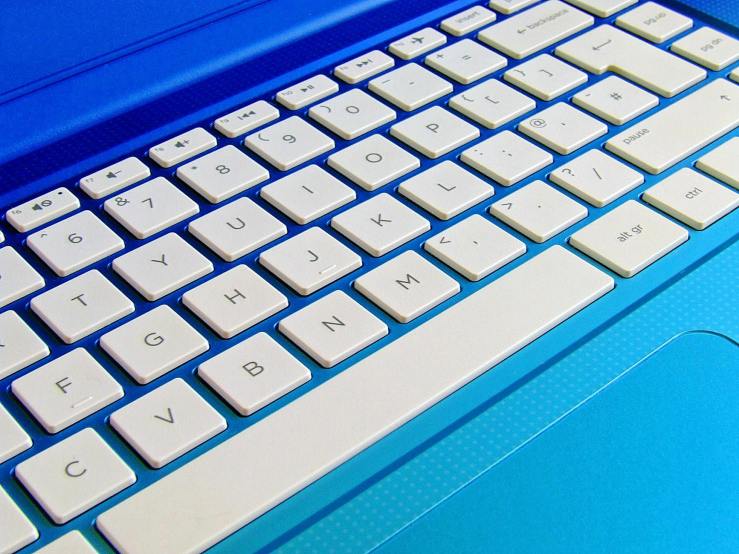
But what takes some getting used to is the fact that the keys must be pressed more forcefully, like you have to put more effort into pressing the keys instead of letting them roll off your finger tips, as is the case on a computer keyboard. And unlike a keyboard, you can’t fix your mistakes immediately after they’re made, nor can you delete a word if you accidentally typed the wrong one. Whatever mistakes you make are permanent; you have to live with them and move on despite wanting to fix them. And for me, since I’m used to typing fast on the keyboard, typing in a sprint on a typewriter will often leave a trail of light impressions on the page (i.e. uneven darkness in the words).

I’ve seen people type with just one finger on each hand, kind of like they were fishing or hunting for the letters. But I’m the kind of writer that was taught to type with both hands and not look down at my fingers, since it was kind of like cheating.

I do like the sound that the typewriter makes when the keys clack, which creates a strange mechanical rhythm, almost like a beat. Even when I make mistakes, I let them go, since it’s part of the writing process (not trying to make things perfect anyway). And the faster the keys clack, and the more dings I hear after each return, the more that’s being written, like hearing my thoughts come to life.

Research

Photo by Suzy Hazelwood on Pexels.com

Sometimes when I write a story, I get so caught up in research that I lose focus on what I was actually writing about. I’ll go down a rabbit hole, becoming more immersed and intrigued in the research itself than the actual story. When this happens, I have to tell myself to pause and get back to writing, or else I’ll get so sidetracked that I’ll stop writing altogether.

It’s similar to going back and editing a draft while you’re in the middle of writing it. Instead of moving forward, adding lines and pages to the story, you spend more time trying to polish it as if it were the final draft. And like research, it can bog you down, take up precious time, spoil the momentum of the writing session.

What I like to do to counteract this is to tell myself to keep writing as if I am on a time crunch. Doing so encourages me to jot everything down onto the page, putting me in the moment of the dialogue and visuals. This urgency to get every thought and idea out before time runs out is like an act of recording their transitory and ephemeral existence before they disappear for good.

Dwindling Time

Photo by Pixabay on Pexels.com

When we’re busy with work or trying to get chores and errands done, time dwindles without our noticing it. Only when time is up do we notice it getting darker as dusk sweeps across the sky. It’s then that we realize there aren’t enough minutes in the day to finish all of our goals. Time is like a force of gravity that continues its ascent forward despite anyone’s wishes or dissent. It perceives nothing, yet it knows where it’s going, always reaching its destination.

I notice time more when I have less of it. Or when the sun rises and falls, bringing forth light and trading it for darkness. Each year that passes, a yearly calendar gets thrown away, never to be seen or used again. Another notch on our belt–a number on a data sheet–something we memorize like it was a date in a history book. But in our day to day life, we notice time like a candle that is melting wax, burning relentlessly through the wick. It leaves its mark on the world, and all we can do is make the best of each second and minute and hour before the light goes out.

Synonyms

When writing the first draft, I’ll use the same word over and over again without realizing it. For example, I’ll use the word “and,” “as” or “the” to no end, or I might start a series of sentences the same way. It’s not until I begin editing the story that I’ll notice these redundancies, and I’ll look for words to substitute them (i.e. synonyms), or I might delete or rewrite the sentence so that it doesn’t sound repetitive.

The Thesaurus can be a great tool during the editing process. When I can’t think of a new word that I’m trying to replace, I’ll use the Thesaurus, which will give a list words that mean (or are similar to) a specific word. It can also provide antonyms, which are words that are opposite of that specific word. I’ll only use the Thesaurus, however, when I’m editing, since my focus during the first draft is to get all my thoughts down–to fill up the pages–rather than to polish the writing.

Options

It can be overwhelming to make the right/best choice with so many options to choose from. It’s like going to the grocery store and seeing an array of pasta noodles on the shelves. We can hastily pick up our go-to brand, or we can pick up something new. There are various factors to consider, such as the ingredients, cost, quantity (in the package), brand name, sell by date, etc.

The same goes with researching a product online that we want to buy, and deciding from which vendor offers the best price. We want to make the best choice, but even after making the purchase, the result is not always what we thought. For example, the item could be faulty, and it might wear out sooner than we thought. All that time and energy we had put into it couldn’t have foreseen the future, including how it would hold up overtime, and if it’s even durable.

With the vast array options to choose from, there’s always an unknown variable(s). The same could be said of books, movies, comics, etc., where there’s no guarantee that we will enjoy them or get value from the experience once we’ve finished the story/movie. As much as we’d like to think that we could make the best or perfect decision, it’s still a hypothetical, and it usually plays out better in our minds than in reality.

Small Steps

Photo by Pixabay on Pexels.com

It’s easy to overlook the small steps that it takes to reach our goals. It’s as if our minds are more enamored by the end product–the goal–as soon as it sets its sights on it. It’s more focused on reaching the finish line rather than the steps that it takes to get there. But much like writing a book or a story, it’s only possible when small steps are taken, since it leads to chapters getting written, and when enough of them are finished, the story is complete.

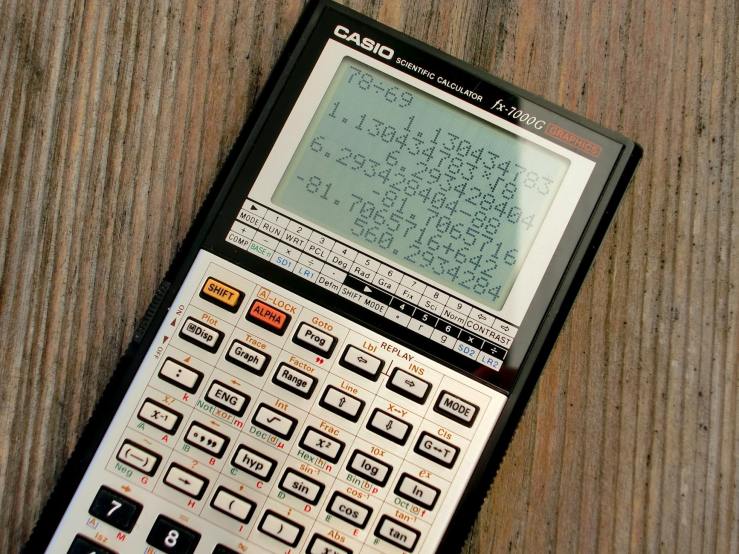
Or it’s like working on a math equation, where the solution is found by applying the laws of equality several times until the final line is x = a, where a is a number. The solution couldn’t have been found until the intermediary steps were applied. And a book couldn’t be written without pages and chapters being finished. All those small steps matter, since they make up the end product–are necessary to the achievement our goal(s).