Stuck On a Sentence

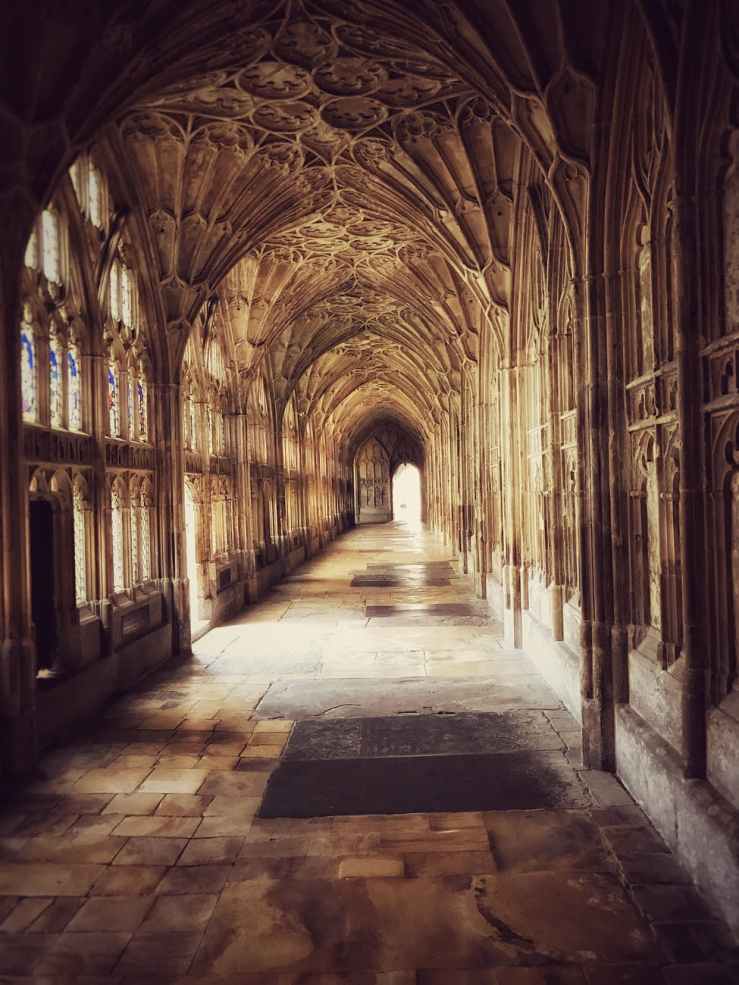
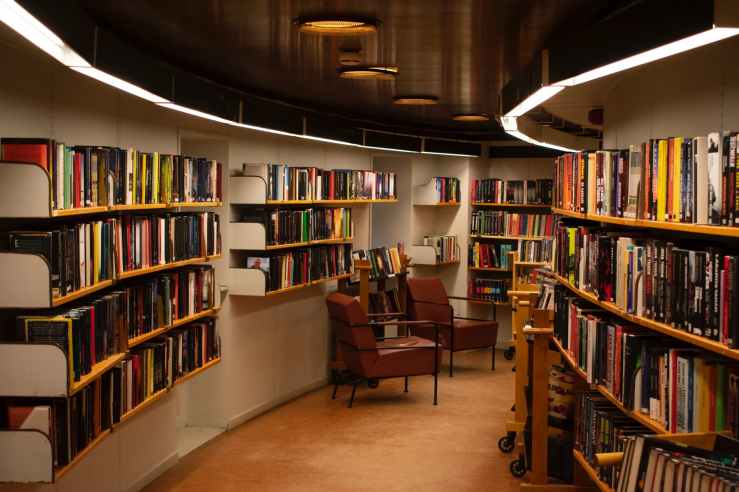
Photo by Negative Space on Pexels.com

It’s frustrating to be stuck on a sentence while editing. It’s as if everything else is fine except this one sentence that needs to be changed. Even when we rewrite it, it still doesn’t sound right. Maybe it’s the choice of words. Maybe it doesn’t flow from the previous sentence. Or maybe it just doesn’t fit in the paragraph.

Being stuck on a sentence can disrupt the momentum of the editing process. It can bog us down, drain our concentration and focus. If we get stuck for too long, we can lose motivation to edit the rest of the piece. It was as if this one thing–as small and minor as it seemed–kept us from finishing a work we had spent hours on.

Whenever I get stuck on a sentence, I’ll try to fix it for awhile, and if I’m still not satisfied with the corrections, I’ll move on to the next sentence. When I come back to editing the part that I was stuck at, the solution will come to me right away as if all it needed was for me to step away.

Free Time

Free time is something that can either be a luxury or a conundrum. It’s a luxury when we have options–when we can spend that time to relax, take a nap, read, create, go on a hike, or spend it with friends and family.

But it can be a conundrum when we have a lot of things to do. If we have a laundry list of chores, or if we have unfinished projects that we have put on the back burner, then free time functions more like a to-do list schedule than time we can enjoy.

Besides, free time is the time that we have to ourselves when we’re not working. We can spend that time on our hobbies, interests, or long term projects. Or we can spend it on things such as cooking, shopping, fixing and repairing things, or cleaning. But if we’re spending that time on things that aren’t recreational or fun, is it still considered free time, or is it something else?

Perhaps free time depends on how we define it. If we ignore self-care and the chores that need to be done, then our lives would be more difficult due to the problems that arose by neglecting them. If we spend all of our free time on hobbies, what about the pile of dirty dishes and laundry, the car that needs maintenance, and the host of other things that need to be addressed?

Perhaps free time can be categorized into groups such as leisure time, chore time, reading time, etc. Or maybe free time is just an illusion, and we are always busy working on something or addressing an issue.

Morning Snow

Photo by Ruvim Miksanskiy on Pexels.com

When we wake up on a workday and see inches of snow on the ground, it can be a challenge to even get on the road. Warming up the car, shoveling snow, and brushing off snow from the windows can delay us as if we had been stuck in traffic for a half hour.

As we’re driving down the snowy road, we’re at the edge of our seat, gripping the steering wheel tightly, hoping that we won’t get stuck or swerve or drift down the road. It’s a tense and disconcerting experience, one that makes us pay extra attention to the road without caring for what’s on the radio or singing to our favorite song.

Once we’ve made it to the parking lot, we let out a sigh of relief. Thanks to the snow plowers and road treatments, we made to work safely. Most of the snow and ice from our windshields have melted because of the defrost and heat. The cabin is toasty, and we don’t want to step out into the frigid air. We sip our coffee (or tea) and gaze out at our place of work, hoping that it doesn’t snow again when we clock out.

Creating For Its Own Sake

Photo by Marko Blazevic on Pexels.com

Whether we write, paint, sculpt, draw, or compose music, it’s hard to detach ourselves from the reward we hope to earn from our work. When the result isn’t what we hoped for, it can be discouraging, and it can give the impression that maybe our work isn’t as great as we thought it was.

But was that the main goal? For me, the most important thing about creating is to create regardless of the outcome. It’s similar to playing a sport or a board game regardless of who won or loss. If we put in our all, the result will reflect that. The point was the enjoyment of the game, not the result (although, I dare say, it’s nice to win).

But when we focus on the result, it can bear a tremendous load on us. If it’s a positive one, it will put pressure on us to keep succeeding without fail. If it’s negative, we can be discouraged by it, and we might end up quitting altogether.

If we create just to create, there’s a satisfying feeling of having emptied our soul and imagination into our work–of seeing it come to life. Even if very few will appreciate it, at least we expressed what we believed was important. Who knows . . . many years down the line, it might inspire someone else.

Posted in Art

When One Door Closes . . .

Photo by Pixabay on Pexels.com

There’s a saying that when one door closes, another door opens. This can be taken as encouragement to rebound from a loss, or an unfortunate circumstance. Or it can be taken as: a new opportunity will be opened if the opportunity we sought does not pan out.

We will go through life with disappointments. But in the event of the disappointments, we adapt, and we redefine our expectations of what is feasible and what we ought to achieve. Besides, each year and each decade of our lives, we strive for new goals–goals that reflect our changing beliefs and attitudes about life.

We don’t always know the reasons for the things that we didn’t achieve, even when we put our all into them. It’s as if with each setback, we’re continually forced to adapt, to change, to reinvent ourselves in a way where we don’t get stuck so that we can achieve the things, that in hindsight, we were meant to.

Setbacks

Photo by Tara Winstead on Pexels.com

Setbacks can be big or small, but the most important thing is to be prepared for them. We never know when they’ll come, or how long they’ll set us back for, but if we’re not prepared for them, setbacks can take us a long time to recover from.

Setbacks can be financial, medical, or psychological. A financial setback is an unexpected expense, such as something that needs to be repaired or bought (i.e. an appliance, such as a refrigerator, or a computer, etc.). A medical setback can happen when we’re suddenly sick, and depending on what the illness or condition is, it can set us back for a few days or for months at a time. A psychological setback is when we feel defeated, or when we’ve given up on a goal.

In preparing for these three, they each have their own approach. The financial setback can be prepared for by having an emergency fund. A medical setback can include an emergency fund, but it can also include being proactive with our health (i.e. doctor visits, going to the dentist, etc.) and staying healthy. A psychological setback can include the approach of the former two, as well as having a positive mindset–one in which we seek to improve ourselves and to persevere in achieving our goals. This can include support from friends and family, as well as continually learning and working toward our goal.

But as easy as all of those preparatory approaches sound, they require a lot of discipline and individual tailoring. An emergency fund can look different for all of us depending on our financial situation. Being proactive and staying healthy depends on our physical state and environment. And a positive mindset will vary based on the experiences of our successes and failures.

But regardless of how different these preparatory approaches are for each of us, the important thing is to be prepared. For setbacks will happen to all of us, and it’s up to us in how we face them.

Editing Older Stories

Photo by Suzy Hazelwood on Pexels.com

It’s always an eyeopening experience to edit older stories. For one, I will discover ideas that I had long forgotten about. Aside from polishing the punctuation, grammar, and word choice, the stories are written in such a way that they made sense at the time that they were written, but as they stand now, it’s clear what ideas work and which ones don’t.

When I edit older stories, I usually add more layers to it, and clarify scenes, and improve the dialogue. In some cases, I’ll change the ending if the current one doesn’t match the theme I want it to convey. Often times, the story will increase in word count as I add details that I didn’t notice were missing before. Sure, I’ll cut out a lot of stuff too, but compared to what I add, it’s usually less.

There’s rarely a case when I’ll reread something I wrote and not find something that I’d want to fix or change. As I read more books and write more stories, I continually expand upon my knowledge and sense of what sounds right or doesn’t sound right when it comes to editing. It’s not just about correcting the technical aspects, such as punctuation and grammar, but in enhancing the elements that come with an awareness of what is effective, consistent, and plausible in terms of characters, dialogue, and the narrative sequence of a story.

Interrupting Thought

Photo by Vie Studio on Pexels.com

When reading a book, a thought can come to mind, one that will interrupt our focus on a book. It can be a thought that’s unrelated to the story, such as a chore that we need to do, a financial matter that has been looming in our minds, or something as trivial as a commercial we saw on TV.

But even when this interrupting thought comes to mind, we continue to read–read as if nothing has happened. And as we read, we become slowly consumed by that thought–become lost in it until it’s at the forefront of our minds.

A minute or two will go by, and then when we pause, we’ll realize that we’ve grasped nothing from the book. We won’t even know what events have transpired, nor will we know what was said amongst the characters. This realization will shock us for a moment, but once we’ve come to our senses, we’ll become annoyed with that interrupting thought.

But we have to ask ourselves why it was there in the first place. Was it there because that thought brought to mind something that we need to address–to take care of right away? Or did it occur because the text wasn’t engaging, or was the text itself mystifying to read?

At any rate, we need to start over. But will that interrupting thought stir up in our minds again?

The Hourglass And Other Short Stories

Now available on Amazon is my new short story collection, The Hourglass And Other Short Stories.

This collection includes three short stories by Fallton Havenstonne, the author of Rogue ExperimentKitewell, and other books. In The Hourglass, Rob discovers a perilous world teeming with immortal wolves. In Searching, Harold will embark on a journey to uncover the truth about his own memories. And in A Sign, the life of a comatose man hangs in the balance.