Pen or Pencil?

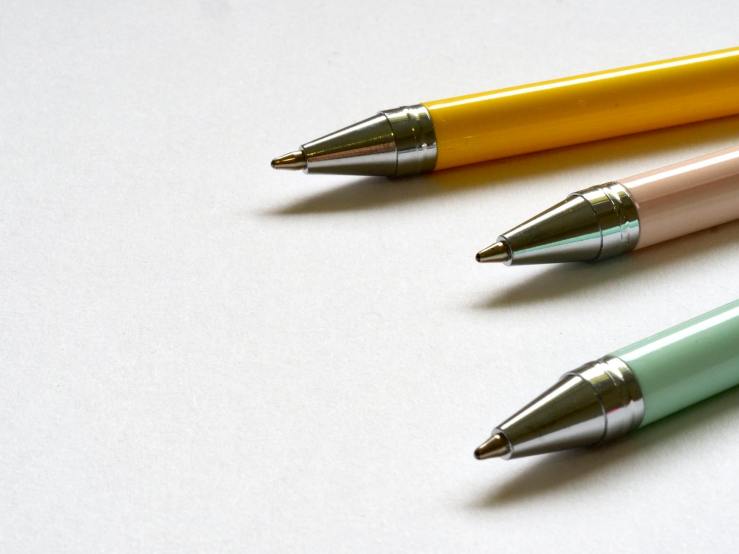
Photo by Jess Bailey Designs on Pexels.com

That is the question.

They both serve different purposes, and leave a different impression on the paper. I prefer pen when I am editing or marking up a document, and prefer a pencil when I am jotting down a list, writing down ideas, or simply drawing.

A pen leaves a permanent mark on paper, whereas a pencil allows for soft and faint lines that can be erased. The latter can even lend itself to smudging and light shading for drawings and sketches; although it’s possible to do so with a pen, it cannot be done typically with the same ease.

But if an artist masters the pen, they can create stunning works using different colored pens, pen-tips, boldnesses, and use cross hatching to create vivid and crisp and detailed images. On the flip side, an artist with a pencil can use a variety of graphite to achieve stark contrasts and a wide range of tones, and make as many mistakes as they need to, since they can erase them or simply draw over the line before the final draft.

Using a pencil is also more preferable for doing math work, since it would be a waste to write down a ton of steps using a pen, only to realize that one mistake negated it all, and then be stuck with all these symbols and numbers that are un-erasebale. Setting everything aside, there are countless examples in which one or the other would be better (or preferable) in certain circumstances. But whichever one prefers, it depends on what it’s for, such as editing, drawing, doing math, etc., and knowing how to leverage their strengths.

New Challenges

There are phases in our lives where we’ve become accustomed to routines and tasks, and we need new challenges to stir our spirits. It’s not just a new goal that we need, but something that’s uncharted that will spark in us a calling to learn and try something new.

These challenges vary, ranging from traveling to learning something new such as music, art, or the numerous fields in technology. When we’ve become accustomed to the same routines and goals, we’re no longer pushed to or beyond our limits. Only new challenges can test the limits of our intellect, imagination, and effort.

These new challenges can be daunting at first, but wasn’t that the case with everything we first learned and pursued? After getting our feet wet, do we begin to feel more emboldened to face those new challenges that are before us. Only then do we see a frontier of endless possibilities that we didn’t know we could surmount.

Finishing a Goal

Photo by Pixabay on Pexels.com

When we finish a goal, it can feel like a relief. If it’s a challenging goal, it can feel like we’ve ascended the top of a mountain, reaching the unattainable, and when we look down at the vista below, we’re astonished and amazed at far we’ve come to reach the top.

All the struggles and trials that came with getting there are washed over, forgotten like it was from a different time in our lives. When we’re ascending the cliffside, however, so often we want to stop, to give up and turn back around. It’s like the path is unreasonably stubborn, precarious, and difficult, like every crevice and falling rock is a deterrent that’s telling us to go back, that the journey is not worth the risk.

In many ways, finishing a goal is moreover a mental test rather than a physical one. We could be in great physical shape and be healthy all around, but if we don’t have the mental fortitude to pick ourselves up when we fall, and to remain persistent even when it’s easier to stop and quit, then finishing that goal we’ve been dreaming for months–years–remains next to impossible.

Permanence

What is really permanent? Much of the course of our lives is made up of events whose meaning and relevance exists in our minds. It’s as if today has forgotten about yesterday and the thousands of yesterdays before unless they happen to be brought up in a topic of discussion amongst friends or family.

The years of our youth, the college years, and our work experience are like episodes of a stream of conscious narrative rather than the chapters of a beginning-middle-end book, since these episodes don’t necessarily have anything to do with each other. For example, my experience at one workplace has almost nothing to do with another, given that the employees at both places don’t know each other, and the businesses/organizations are completely different. The same could be said of where we live or where we’ve ended up, since those don’t necessarily follow logically like an architectural blueprint, but happen organically from what’s inspired us, the things we’ve learned from our mistakes, and the curve balls that have come our way, whether that be illnesses or job opportunities or the realization that we must change course given the stagnation or dilemmas of our path.

The same could be said of the people that come and go in our lives, the places we visited, the conversations we had with them. But in hindsight, they’re random and disconnected from the linear path we’ve tried to sail on. At the time we experienced them, it seemed like those experiences will last forever. Albeit, nothing is permanent as time passes. The environment and our jobs and the people we knew have changed and are no longer the same as our memories of them. Even our thoughts and ideas aren’t permanent, since they’re continuously change from minute to minute, and hour to hour.

It makes me wonder about the things I write, including this post, and the stories I’ve written. Is there any permanence to them, or are they trapped in a time capsule, relevant now but forgotten later, only to be mulled over once the time capsule has been opened?

Spring Forward

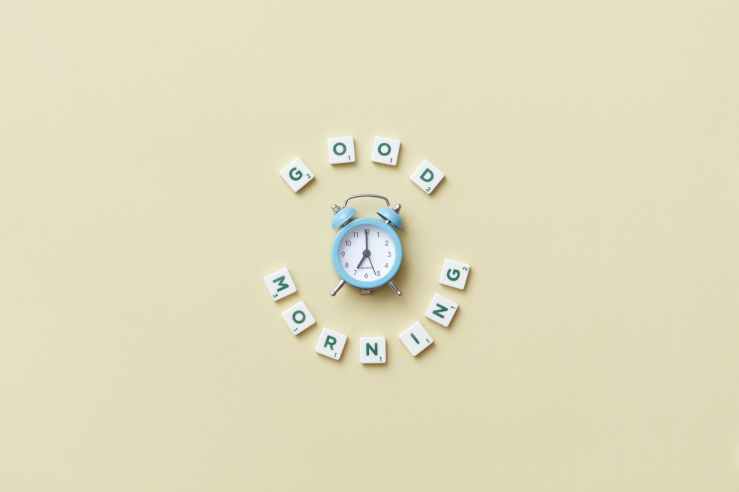
Photo by DS stories on Pexels.com

I’ve often wondered what it would be like if we didn’t have spring forward and fall backward. Since yesterday was spring forward, the time was turned 1 hour ahead, meaning, 1 hour of sleep/rest was lost. Just when all of us had adjusted to the time schedule with last year’s fall backward, we must adjust again to losing one hour of sleep.

But with the days being longer, it would seem to have little effect, given how much daylight we have until sundown. Organisms such as birds and insects adapt quickly to the seasons, and with our technology to forecast the weather, we can prepare for it as well even if we didn’t adjust our clocks.

So do we need daylight savings if we can forecast the weather in advance? If we didn’t have spring forward or fall backward, would our days go on like normal? Wouldn’t we adapt to longer days or shorter days regardless if we set our clocks one hour ahead or behind? Or have we grown accustomed to this practice, such that we need to gain an hour of sleep in November, and lose an hour in March?