Out for a Walk

Photo by Gabriela Palai on Pexels.com

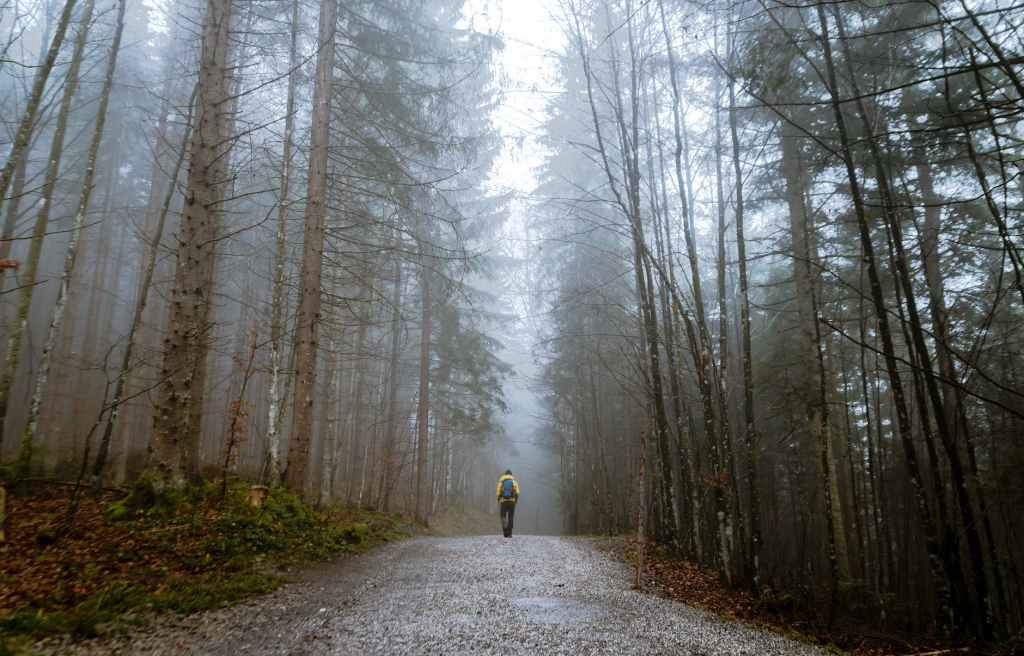
Going out for a walk can be exactly what we need when we can’t make headway on a project or if we’re feeling like we’re in a rut. When we’re sitting in an office or at a desk for hours, it can be hard to think outside the box, to see things from a different angle or in a new way. It’s as if the monotony of sitting still in the same room can stifle creativity, keep us from thinking of new solutions.

Going out for a walk, we welcome the new stimuli that nature provides. The sky, the animals, the vegetation, etc. If we’re in the city, seeing the road, the architecture, and the people around us can inspire new ideas. It’s as if our mind was stuck in first or second gear while we were indoors, but outside, we were able to shift it to third and fourth and fifth gear–venturing our imagination to new frontiers.

Needs vs. Wants

The dichotomy between needs and wants is one that causes a lot of internal struggle within us. What we need isn’t necessarily what we want, and vice versa. We need food, drink, shelter, and to access those things, we need a job, a vehicle (or public transportation), and an annual income.

But what we want might have nothing to do with survival, as with the things aforementioned. Wants have more to do with the things that make us happy, such as hobbies, or owning things that are expensive, like luxury watches. Even though these things don’t provide for our needs, we’re willing to put a lot of time and money into them in order to obtain them.

Why is that though? Is it because our wants outweigh our needs, or is it because once we have our needs met, we can then focus on our wants?

The second seems like the most obvious answer. Once we have food, drink, shelter, etc., we can focus on the things we don’t have–the things that bring a sense of quality and enrichment to our life.

But even if we have all of our wants met, that wouldn’t be enough. For we cannot stand idly and let time pass until a need or want comes up. We are goal oriented. We need to have goals, and we need to have that feeling of accomplishment once we’ve completed them. It’s as if we’re in a continuous cycle to seek out goals–an endless pursuit of needs and wants.

Fast Thinking

Photo by Brayden Law on Pexels.com

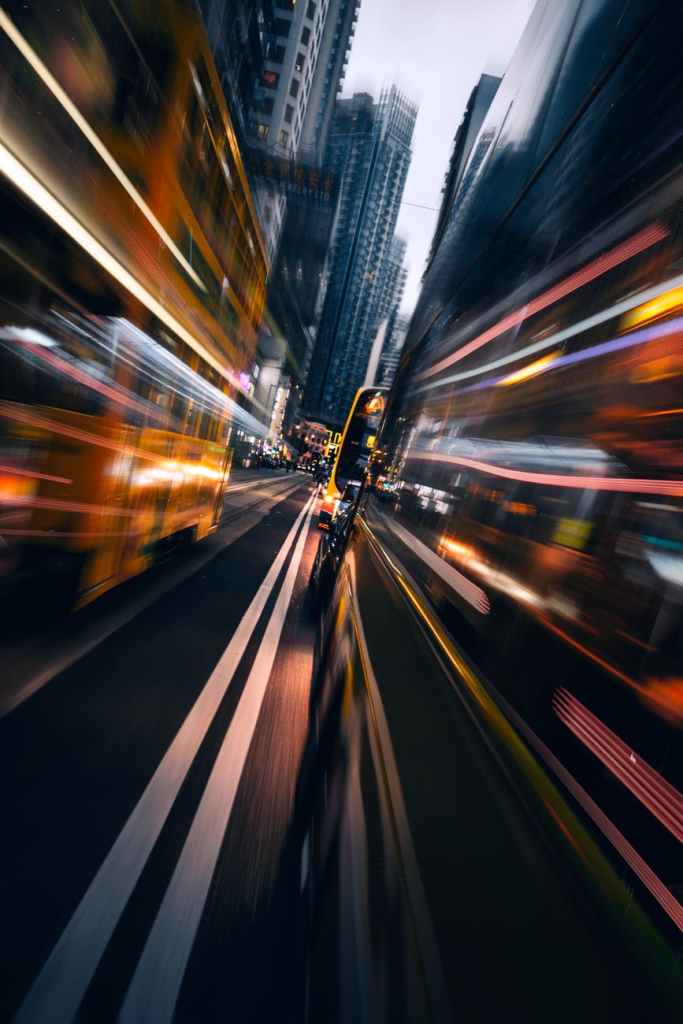
To think fast, or on one’s feet, it takes practice. To make good decisions fast doesn’t happen naturally. When we make decisions under pressure (i.e., with little to no time), we make decisions that are instinctual–intuitive.

Such decisions don’t account for all the variables or long term consequences of a situation. They are more like “survival-mode” decisions, or decisions based on what seems right at the moment. But in certain situations, they are better than not making any decision at all.

For example, we have to think fast during conversations. We ask ourselves, is what this person saying is true, or is it not true? If we’re having a debate or a discussion, we have to have practice on how to explain our ideas, how to provide evidence, how to make a case for our claim. Or if we’re on a job interview, we have to know how to respond to questions we may not have expected. And if we’re on the job and something isn’t going as planned, we have to think of another solution, one that we can’t spend days on, but only have hours to complete.

To think fast, one has to have experience, as well as the knowledge to encounter the unknown–to handle the pressure when there is very little time. Making mistakes is part of the process. It builds a repertoire of things we know not to do again. Besides, if we’re making decisions that are fast and intuitive, we need to have encountered similar situations before.

Digital Camera

Photo by Pixabay on Pexels.com

Growing up, I had always used film cameras. Even in college, I preferred film cameras to digital ones. This was in the early ’00s, and at that time, I really enjoyed the process of developing film on photo paper. I had fun using the different filters in the dark room, and controlling the contrast and tonality of the images based on the timing of the light exposure on photo paper.

Twenty years later, I’ve been using the same film camera that I used in college. But more recently, I had done so less given how expensive it has gotten to develop the rolls. The cost to buy the film, plus the cost to develop it, not to mention the wait time as it’s being developed, has made me reconsider using it compared to a digital camera.

A digital SLR camera has the same functionality as a film camera, and more. Instead of the images being stored on a negative, which has to be developed, the images are stored on a memory card, which can be plugged in and downloaded onto a computer in no time. Essentially, a digital camera gives you instant access to the photos, whereas a film camera cost time and money before the images can even be seen.

One of the main reasons that I had been using a film camera all these years was because of the reward I got after picking up the photos from a store and seeing how great they turned out without any edits on a computer. When snapping a picture with a film camera, I have to imagine what the photo will look like based on the aperture setting, the lighting, etc. To see that the a photo came out great based on the settings is a rewarding experience. If a photo comes out under or overexposed, I use it as a learning experience–of what to avoid or do differently next time.

But with a digital camera, I can see what the image looks like it the second after I take it. And if I’m not happy with it, I can simply delete it–try again. There’s no cost in time nor money to develop the roll and see that I took a bad photo. Just reshoot it on different settings there on the spot.

As technology continues to improve, the gap between digital vs. mechanical technology (i.e., film cameras) will widen. The bells and whistles that are added to newer technology will make the older ones seem primitive and outdated in comparison. Similar to a car that has a cassette tape player versus one with a CD player versus one with bluetooth.

But that’s not to say that mechanical devices, such as film cameras, aren’t effective or are obsolete. On the contrary, the film camera that I’ve been using is well over 20 years old, and it still works fine, giving me excellent results. It’s durable too, and I haven’t had to repair it. It does exactly what it’s designed to do, no more, no less. But for now, it can retire.
Reaching a Goal

Photo by Mathew Thomas on Pexels.com

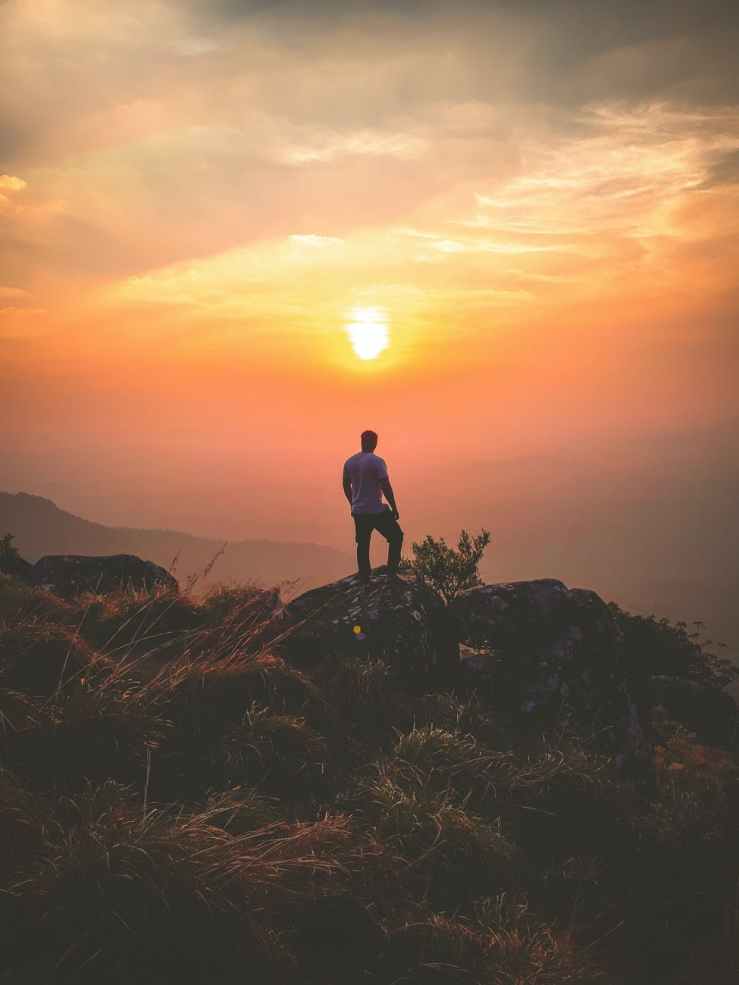
When we reach a goal, it can feel like a huge relief–like reaching the destination of a long road trip. Furthermore, it can feel like a huge accomplishment that we never expected–like we couldn’t believe it happened at all.

One of the great things about pursuing goals, whether it is a DIY project, a financial goal, or a creative work (i.e., a book), is the sense of pride and happiness that comes with reaching it. We know that the path was hard and challenging–even discouraging to the point of us wanting to quit.

Along the way, there were setbacks, mistakes, and times when it looked like we weren’t making any progress or we weren’t going to finish. But eventually, through persistence, focus, and long hours, we got there.

We reward ourselves with a celebration, a day off from work, a vacation, a nice meal at a restaurant, etc. But soon enough, we set our sights on a new goal, and we start the slow, long march toward reaching it.

Past Knowledge

Photo by Janko Ferlic on Pexels.com

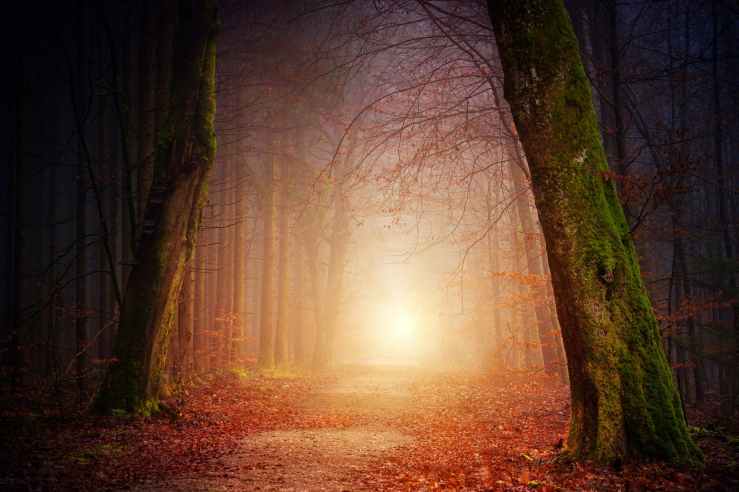
We acquire a vast amount of knowledge in our lifetime, but only utilize a fraction of it in contrast to the totality that we’ve learned. If the past knowledge isn’t applied regularly, they begin to slip away. Eventually, they become vague notions that we knew we had learned, but can’t recall in detail.

The things we’ve become experts in are things we need and apply in the present. For example, the skillset and knowledge we use at work, the skills we use at home, whether it is cooking, repairing things, using certain tools, etc.

There is also the knowledge we’ve accumulated from the hobbies we’ve had, and the knowledge we have from what we majored in at college. But these, and other many things, will become a blur unless we use them–apply them regularly. This can also include academic knowledge, knowledge about places we used to live in, and knowledge from all the jobs we had in the past.

As we continue to acquire knowledge, the more we will forget. What does all this knowledge mean if we don’t utilize them–if we slowly forget them? Or were they merely stepping stones to where we are now?

Morning Hike

It’s better to get an early start hiking in the morning rather than in the afternoon. The main reason is that the weather is cooler, and the air isn’t so humid. In the morning, the trail isn’t as busy either.

When I went hiking yesterday, people hiked in groups of 2, 3 or more. I would see them on the trail every few minutes, and when I reached the overlook, a few people sat on the rocks, peering over the cliff at the river, forest, and town. I sat and rested for a few minutes, sipping on my water bottle, taking a much needed break. I was exhausted, and my legs were sore from the continuous upward trek.

The morning breeze swept by, cooling the rocks, rustling the leaves and the dirt. It felt relaxing, better than A/C, better than a fan running at top speed on a hot summer day. The reward of reaching my destination, coupled with the cool morning weather, made it feel like a much deserved victory.

Later that day, as I was driving back home, the temperature skyrocketed. It felt like 90 to a 100 degrees Fahrenheit by the time I got home. The humidity was dreadful as well. I knew it would’ve been ten times more taxing to hike up the trail if I had waited in the afternoon, instead of starting in the morning.

Phases

When we go through phases, we invest our time and energy into something that we think will last for years, but in actuality, only last for a short period of time. Even though we could invest days and weeks in this phase (i.e., a sport, a hobby, etc.), sooner or later, we find out that it wasn’t worth pursuing in the long run.

Even though it was temporary, the phase honed new skills, tapped into new areas of creativity, and opened our eyes to a world that we didn’t know existed. The phase might not even be a hobby or a sport. It could be a specific interest or activity, such as learning a musical instrument, learning about the outdoors, studying an academic field (i.e., history, science, etc.) or reading books by a particular author.

At some point, we lose interest. The enthusiasm has run out. But the knowledge and or skills we acquired has broadened our understanding and awareness of what is out there. Even though a phase lasts for only a season, they’re sprinkled throughout our lives, enriching our experience of the world.

Impatience

When we lose our patience, we make rash decisions that can leave us shaking our heads in hindsight.

This can happen with projects that we’ve been working on (i.e., rushing to finish it), or when we’re buying something. Of course, we make decisions out of necessity too. Sometimes things cannot wait, and we have to make an immediate decision. But in cases where we have time and there’s no urgency, a rash decision can lead to a regret later on.

I remember making rash decisions when buying something that I later found cheaper somewhere else. Most of the time when this happens, it’s because I’m in a store and I don’t want to spend time searching for it elsewhere (or for it to be shipped if its a product online).

But it could be argued that impatience can be a reward. There was an occasion when I was buying something online, and because it was on sale, I bought it instead of waiting for the price to go down. Albeit, it went down a little bit a day later, the price jumped up dramatically some days after that. Sure, I could’ve saved a little bit of money if I waited a day or so, but if I had waited longer than that, I would’ve had to pay a lot more. And in some cases, an item might be sold out if the opportunity isn’t taken to buy it.

So I think there is something to be said of both patience and impatience. We often praise patience because it’s associated with prudence. Of course, there are many things we shouldn’t be hasty about, especially major purchases or life-changing decisions. But quick decisions can be necessary when patience causes us to miss out on opportunities. And if we just wait and wait and wait, we end up not making any decision at all.

Weather

Photo by Johannes Plenio on Pexels.com

The weather can have a huge impact on our mood and motivation for the day. When I wake up in the morning and the weather is nice, it motivates me to travel, to explore, to exercise. It encourages me to be outside, to enjoy the breeze, and the warm temperature.

But when it’s really hot outside, say, in the 90s (Fahrenheit), it can be draining, exhausting. Although, visually, the sky can look as perfect as a painting, the discomfort and constant perspiration makes me want to retreat to anywhere with A/C.

When it’s rainy or overcast, it’s as if the weather is calling me to stay indoors, to utilize the time to write, to read, and to be productive. Sure, I can go outside if I need to, run a few errands, but it’s not the most ideal condition to do so.

The one exception is when it’s foggy. For some reason, I enjoy being outside in the fog–to see how it obscures light and creates an atmosphere of mystery. I certainly don’t like driving in the fog, and avoid it when I can, but to go outside and walk in the fog, feels like something magical–dreamlike.