Miscalculation

Photo by Pixabay on Pexels.com

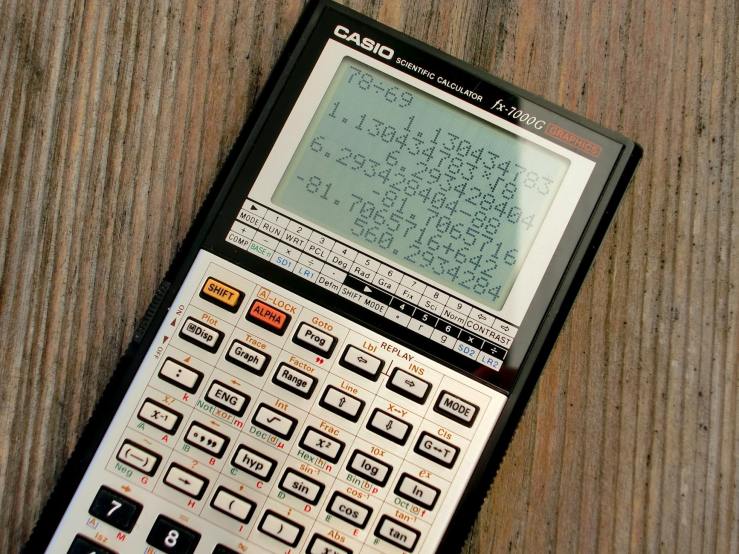
When our plans go awry, we know we totally miscalculated. We could’ve spent hours or days planning each step of the way, or each event from minute to minute, hour to hour, such as the iteanrry of a vacation, or the roads to take on our way to a restaurant or movie theater, only for something unexpected to happen.

It could be a traffic jam, a roadblock, roadside construction, something we forgot at home when we left, or even the weather. In our mind, each step was logically planned out, exact, working out perfectly within the stratosphere of our thoughts. But in reality, a thousand missteps could happen, making our plans seem trivial or not as thorough as we initially thought.

The same could be said of many things, such as the game of chess, a DIY project, or when we’re creating art (i.e. technology not working, or the scenes in a story we’re writing contradicting each other). Human error, we call it. But when they happen, we just have to learn from it.
Silence

Photo by Pixabay on Pexels.com

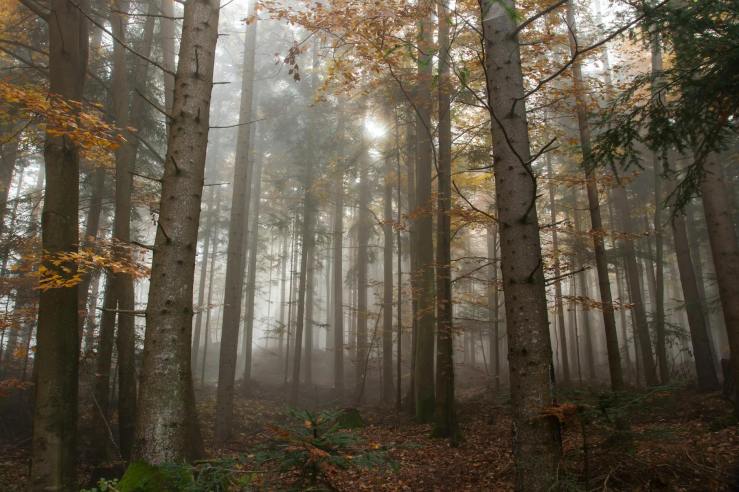
To think, there needs to be silence, or something akin to it that creates silence in the mind, such as a chore that allows us to daydream, or a kind of white noise that is going on in the background, such as the sound of wind and leaves rustling when we take a stroll through the park, or when we listen to music that creates a mood in our thoughts.

The same could be said of creativity, since it requires the active use of our imagination in which sights and sounds and space and time appear to us as natural products of a dream. Any audible distractions can disrupt the flow of their output, disengage us from the mental experience.

When there is so much noise around us that it draws our attention, then thinking and imagining cannot occur. Of course there are things that can inspire us from without, such as a movie or a conversation, and we can think as a result of their influence (the same goes for imagining as well). But to think in terms of meditating on an idea, or imagining worlds or scenes and characters from a story, then silence is the key ingredient for which we can employ the full power of our mind.

Details

What makes a story engaging are the details that are weaved in between the sentences and paragraphs. They could be some random facts about some obscure topic, or insights into a character’s past, giving us more information as to who they are or how they became who they are.

When I write the first draft of a story, it’s often written without embellishment, like a painter sketching the composition on a canvas to decide where the objects will be before painting in the details of color and tone and light. Besides, if the composition doesn’t work, how much time would they have wasted to start over again?

Even in the paintings of Van Gogh, it’s fascinating to see the brush strokes and the angles at which he painted on the canvases. Likewise, in a story, the details sprinkled in throughout help the reader to visualize and form a picture of the characters and the world. In fact, in all fields and endeavors, it is the details that give clarity and brilliance to the things that would be otherwise cooke-cutter.

Routines

Photo by Pixabay on Pexels.com

What’s so important about routines is that they get you into a rhythm, a way of living and operating that is dependable and consistent. It’s similar to having a schedule, such as waking up early, making coffee at a certain hour, going to work, or creating art. When you have a routine, you’re reinforcing a process that will help you meet your goals, since goals often require an outline, which, when broken down, is essentially a series of discrete steps that must be carried out in a specific order.

But we might break from a routine if we feel that it is dull or stifling to creativity. When this happens, we either avoid the routine, abandon it, or change it up with slight adjustments, such as starting it at a different time, or adding new steps along the way.

And it wouldn’t be a routine if we didn’t carry it out regularly, because we all know that it’s not a routine if it’s done once, kind of like a short-lived experiment, or a spontaneous act. But if a routine becomes so ingrained that we do it subconsciously (such as typing one space after each word, or capitalizing the first letter of a new sentence), then it becomes what we call natural or second nature.

Dwindling Time

Photo by Pixabay on Pexels.com

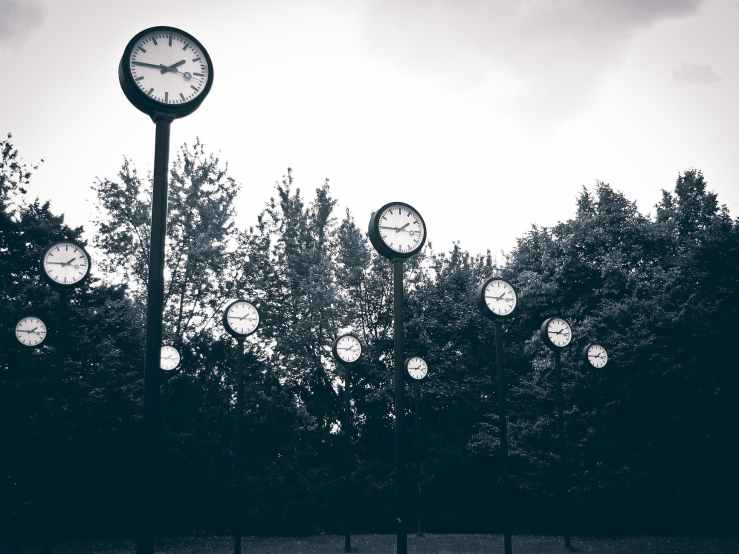
When we’re busy with work or trying to get chores and errands done, time dwindles without our noticing it. Only when time is up do we notice it getting darker as dusk sweeps across the sky. It’s then that we realize there aren’t enough minutes in the day to finish all of our goals. Time is like a force of gravity that continues its ascent forward despite anyone’s wishes or dissent. It perceives nothing, yet it knows where it’s going, always reaching its destination.

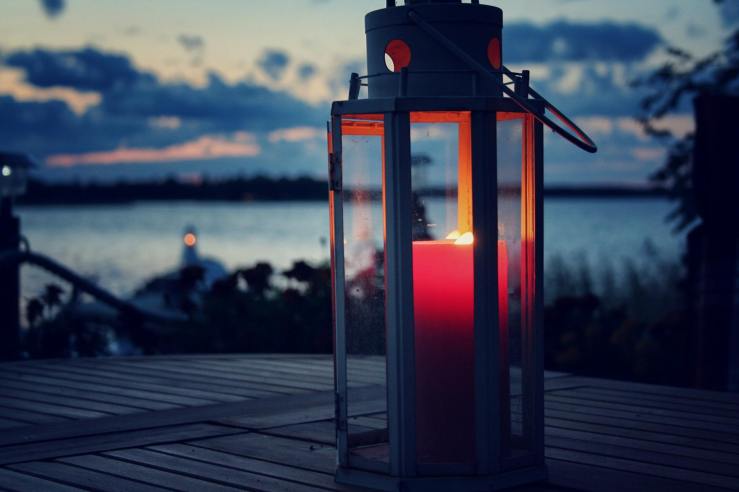
I notice time more when I have less of it. Or when the sun rises and falls, bringing forth light and trading it for darkness. Each year that passes, a yearly calendar gets thrown away, never to be seen or used again. Another notch on our belt–a number on a data sheet–something we memorize like it was a date in a history book. But in our day to day life, we notice time like a candle that is melting wax, burning relentlessly through the wick. It leaves its mark on the world, and all we can do is make the best of each second and minute and hour before the light goes out.

Options

It can be overwhelming to make the right/best choice with so many options to choose from. It’s like going to the grocery store and seeing an array of pasta noodles on the shelves. We can hastily pick up our go-to brand, or we can pick up something new. There are various factors to consider, such as the ingredients, cost, quantity (in the package), brand name, sell by date, etc.

The same goes with researching a product online that we want to buy, and deciding from which vendor offers the best price. We want to make the best choice, but even after making the purchase, the result is not always what we thought. For example, the item could be faulty, and it might wear out sooner than we thought. All that time and energy we had put into it couldn’t have foreseen the future, including how it would hold up overtime, and if it’s even durable.

With the vast array options to choose from, there’s always an unknown variable(s). The same could be said of books, movies, comics, etc., where there’s no guarantee that we will enjoy them or get value from the experience once we’ve finished the story/movie. As much as we’d like to think that we could make the best or perfect decision, it’s still a hypothetical, and it usually plays out better in our minds than in reality.

Different Outlook

Sometimes we get stuck in a mindset where we overlook the things we have. It could be as simple as good health, where we’re so used to it that we don’t even notice or appreciate it. Instead, we become fixated on the things we lack or don’t have (i.e. a goal that casts everything else aside) rather than appreciating what we have–even when it’s in abundance.

Having this rigid mindset can cause us to become tunnel visioned on the areas where we don’t feel complete in, which can make us feel like we haven’t accomplished much at all. It could apply to many facet of our lives, such as our experiences, work, even our creative life, where we feel like we haven’t accomplished very much, even though we have.

But even when we’ve achieved goal after goal, there’ll always be another to reach, another finish line to cross. It never ends in a way, as it becomes a constant pursuit, causing us to overlook everything along the way.

In the process, we’ll go through trials, surmount challenges, stepping stones, and roadblocks that we have to figure out. We will have learned new skills, garner new ideas and knowledge, not to mention reach smaller goals on our way to something grander. But ultimately, it’s not always about the end goal, as there’ll always be another one. Instead, it’s about how we look at the whole process, how we’ve changed, who we’ve become, and how much we’ve grown and achieved along the way compared to before.

Staying on Pace

When falling behind on something, it has to do with not catching up, or staying on pace, with the expected timeline. It could be there being too much work to do, or not having enough time to do it, or not having the resources or know-how to do it. But not staying on pace can be indicative that some things can’t be rushed, since quality matters more than quantity in certain cases.

Of course, some projects/assignments are time-dependent, because they’re based on a fixed/rigid schedule, or the sheer volume of tasks that have to be completed. But other things, like works of art, stories, scientific research, etc., can require months or years to complete. Sure, it can be rushed to completion, but it wouldn’t be the same–and not to the same calibre–if it had progressed at the pace it needed to become more than just a box to check off.

Finding Lost Items

There are times when you go through an old box, storage bin, bag, etc., and you find something that you thought you had lost. When you find that item after months or years, it makes you wonder what else is lying dormant, hidden from sight, waiting to be found.

It could be a hat, flashlight, tools, or some note that you thought you had thrown away. It brings back memories, but it also makes you question why you had put it where you did. In the time since, you had replaced that tool or item (i.e. hat, shirt, shoe, etc.), and maybe you don’t need that found item anymore.

Now what do you do with it? You have two of a kind now (it, and its replacement). The found item functions as a backup, or else, you can store it away. But if you do, you won’t make the same mistake; you’ll put it somewhere where you know you’ll find it. That is until things get shuffled around, and you forgot where you put it.

Free Time

Free time decreases the busier we are. But when there is an abundance of it, we look for ways to spend it. Free time has to be converted into time for something else. It could be reading, writing, watching TV, playing video games, finishing chores, running errands, working on a project, etc.

In this sense, free time is like currency. With the allotment we have, we have to choose what to spend it on. As soon as we drive home from work, free time starts to tick as the minutes and hours go by. Free time gets eaten up faster than we can use it. Making dinner. Cleaning the dishes. Folding laundry. Watching the news. Surfing the web. By the time it’s 10 P.M. or later, there’s no free time left. It was just pocket change.

However, free time can be converted into something worthwhile, something meaningful, even if it was spent on a challenging or arduous goal, much like work. When we invest it into something that not only brings us joy, but that improves our knowledge, skills, or is the product of our imagination, such as a painting or story, it can fulfill a need to express or discover something about ourselves or the world. Whether it’s art or music or a DIY project, once it’s completed, we can look back at it and say that it was time well spent.