
Finishing a Book

Photo by Samson Katt on Pexels.com

After finishing a book, it can feel like a wave of relief. It’s somewhat like making it to the end of a race and gasping for air, eager to take a break. There is a sense of accomplishment, especially if the book took several days or weeks to finish. We’re proud of ourselves for staying until the end. There were times when we yawned from the boring parts and wanted to give up. But we told ourselves to not quit, to finish the book.

If the book was exciting and enthralling, we never want it to end. When we do reach the end, however, it’s like a rollercoaster ride that abruptly comes to a halt. We want the adventure to keep going, to experience new twists and turns. Alas, there are no more tracks (in this case, pages).

Even though the experience is over, the ideas are still turning in our mind. We still hear the characters voices, thoughts, and continue to wonder what will happen after we’ve closed the book.
Junk

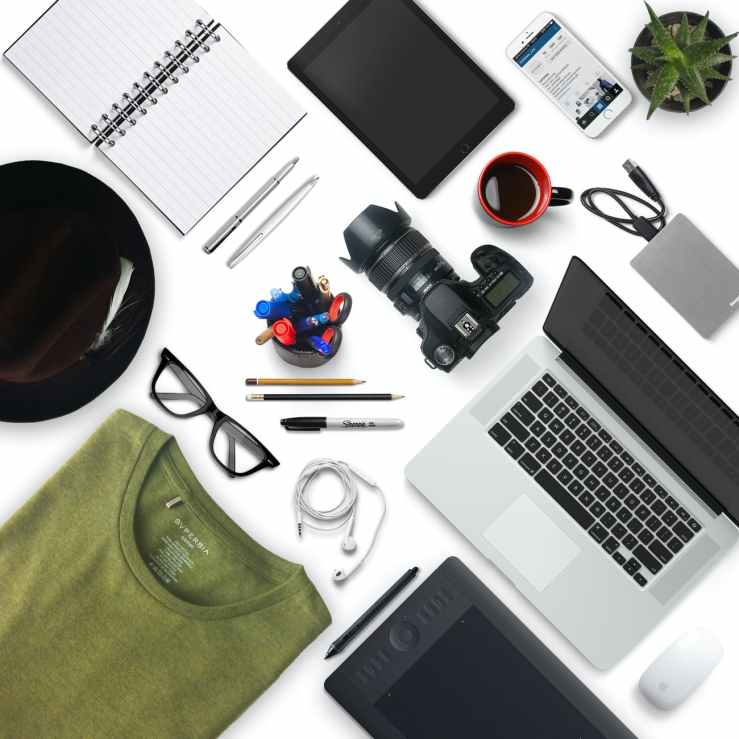
It can be hard to define junk, especially when it was stuff that had utility and value to us. What was once a fun toy or game, an informative book or magazine, or clothes that we wore all the time, have now become junk in our eyes after a few years.

Why is that? Is it because our preferences have changed? Because our values have changed and therefore, we no longer value the things of the past?

Junk seems to be a relative term in that sense. It changes just as we change overtime. Not only that, it’s relative to each person. Something that is useful to one person will be un-useful to another. It depends on our outlook too, based on what we use or need from day to day. We get rid of “junk” when things no longer serve a purpose to us. We get new things to replace it, which will become “junk” later.

Thus, wouldn’t all of our possessions become junk when we no longer need them? Don’t they all have an expiration date, since they have the potential to be junk? The clothes we have now will become worn out and dated in a few years. So will the shoes, jackets, and books, movies, and magazines we own. Thus, “junk” is just stuff we don’t need or want anymore, but at one point, we did.

Cleaning

Photo by OVAN on Pexels.com

When we clean, it can take on a life of its own. I’m not talking about cleaning dishes or vacuuming, but the type of cleaning where we get rid of stuff, clear out junk mail, receipts, old documents–things that we have collected overtime but no longer serve a purpose.

Cleaning can take on stages such as decluttering, organizing, shredding documents, donating things to goodwill, or selling items. Cleaning will make our space more tidy, neat, as well as get rid of dust and dirt from our workspace and shelves. It will also make us look at what we have, what we need, and what we should or should not keep.

The process of cleaning is akin to clearing our mind, analyzing and straightening out our thoughts. It’s a physical manifestation of tackling the clutter and confusion we have held on to, and untangling it to make sense of it and to focus on our goals.

After the cleaning is done, we have a new space–something that we’ve created out of nothing. We can now roam free in it, use it in ways that we couldn’t have before. It now has room for filing new papers and documents, for storing new items and tools. It’s clear of the things we no longer need to remember or think about, and welcoming of the future.

Roadtrip

Photo by Matt Hardy on Pexels.com

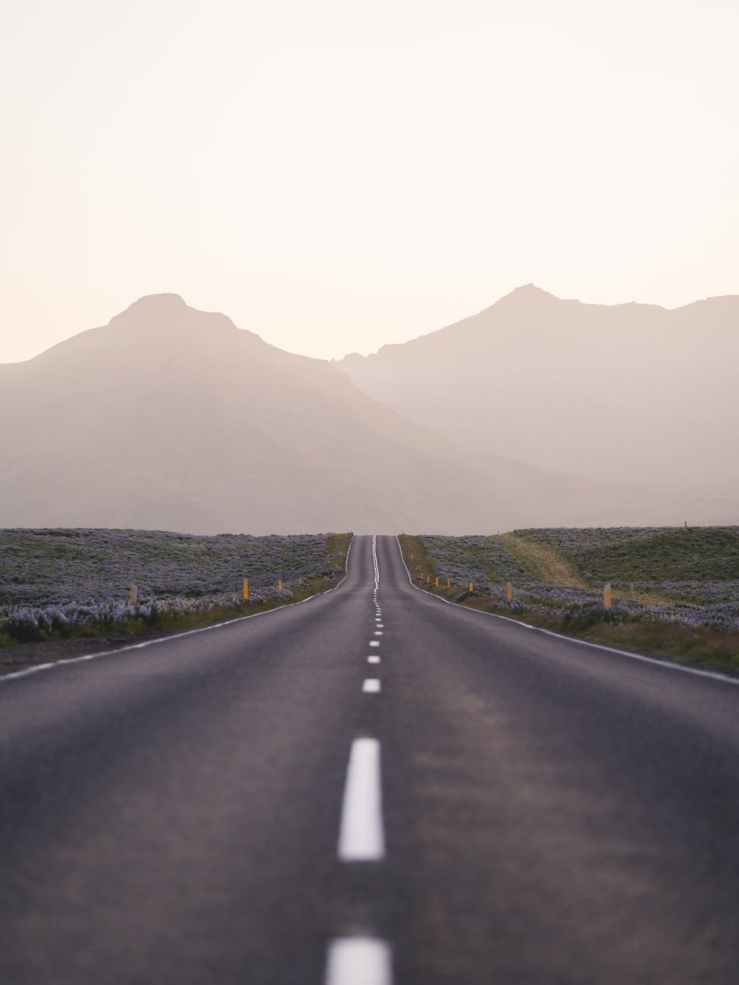
Going on a road trip can be a thrilling and exciting experience. The adventure ahead is abound with opportunities and places to visit. Each day brings a new story, a new chapter to your life.

Road trips involve hours of driving, and along the way, you’ll see vistas for each state (or country) you visit. Some are hilly, whereas others are flat or mountainous. You’ll also notice different road signs (like Moose Crossing), depending on where you’re traveling through.

A road trip can take days or weeks, and the great thing about it is that you decide where you want to go and when. And if you want make a detour to a town or to a museum, go right ahead.

Of course, if you’ve already made motel/hotel reservations, you’ll probably be sticking to a schedule. In that case, you’ll have to make an itinerary of where you want to go, and an estimate of how long it’ll take you to finish the to-do list.

A road trip can be exhausting when everyone’s tired, especially of being on the road all the time. On the other hand, when you visit a place you haven’t been to before, it can make up for that, since it’ll bring moments that are completely unique and memorable to you.

Summer Vacation

Photo by Ylanite Koppens on Pexels.com

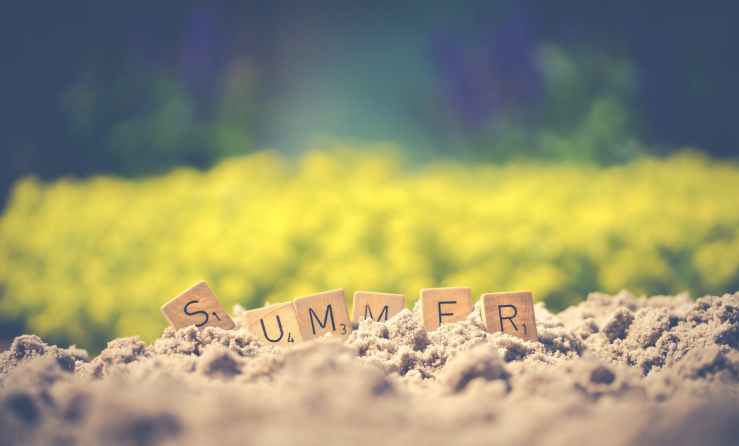
It’s that time to pack up for a road trip, to head over to the beach for the weekend, or to take a swim in the pool. With the sun out all day, we can take our time, spend our day as if there’s no hurry or rush to call it a night.

In the summer, there are a multitude of ways to spend one’s vacation. Some people like to go to amusement parks, the pool, or the beach, while others prefer to travel across the country or overseas, or hike in the woods or go camping. Even if we work for most of the day, there’s no denying that the atmosphere is different during the summer. People are more laidback, relaxed. Given all of the months of staying inside from the cold weather, we no longer have to bundle up or crank up the heat. We can stay inside if we want to, or go outside to get some vitamin D.

In the summer, there’s an atmosphere that all is well and one needn’t rush or race to get ahead. The sun is out all day anyway. There’s plenty of time to catch it, even in the evening.

In the summer, the sun invites us to enjoy countless activities such as walking, cookouts, traveling, hiking, swimming, playing sports, etc. We better take advantage of it too, because not before long, the leaves will change colors, and the chills of Fall will sweep across the streets.

Overloaded

Photo by MART PRODUCTION on Pexels.com

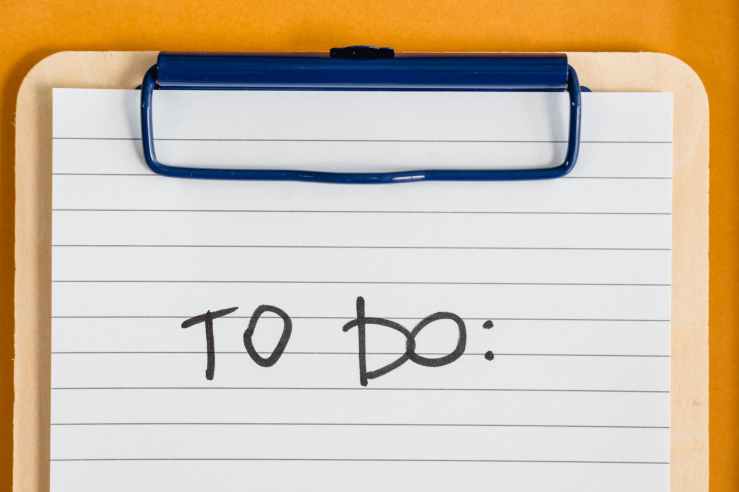
We can get to a point where we are overloaded by our to-do list. It’s easier to divide up the work across the week, or with other people, rather than to do it all by ourselves (especially big projects). To do everything by ourselves wears us down, demoralizes us in the long run.

Time management is important, but also being realistic with what can be done within a given period of time. When we’re overloaded, it can be difficult to concentrate and focus. We can get tired and exhausted, on the verge of giving up and call it quits.

Being overloaded can happen if we underestimate the challenges ahead. We might say to ourselves, “Oh, that’s easy,” or, “It won’t take that much time,” but once we start, we’ll soon face unexpected dilemmas such as things that are broken, things need to be fixed, things that need to be purchased or need to be repaired, etc. All of these things add up over time, which delay us from accomplishing the other things on our to-do list.

Before we know it, we’re over budget, out of resources, and out of time, and we’ve lost the momentum to keep moving forward. All because we had underestimated the challenges–because we didn’t factor in the things that could go wrong.

Perhaps we should start with accomplishing one thing at a time, things that are manageable, things that have a track record of being doable and small, rather than take on gargantuan projects that will overload us.

Outlook

Photo by The Humantra on Pexels.com

Our outlook can change at a moment’s notice. It just takes one life changing moment, or a series of life changing decisions, and then everything we had believed in can get dismantled.

The ideas we hold are simply that: ideas. Can they resist the change of time, the course of unexpected events? Are the principles and values we hold onto dearly immutable, or are they subject to change and modification?

The way we handle difficulties, as well as respond to conflict and disagreement, speak volumes compared to the ideas we simply believe. There can be a duality between the two, similar to someone who says to do one thing but does the opposite. The truth is in the way we act, in what we choose to do.

Our outlook can be positive or negative, and thus, they can give us confidence and certainty, or make us dejected and pessimistic. Between the positive and negative outlooks, there’s a middle ground: being realistic. But what does that mean exactly? To be realistic, we are not overly optimistic, nor overly pessimistic. We’re in the middle. We see that things can go both ways. But if we’re stuck in the middle, we might not take chances, might not achieve great success or change.

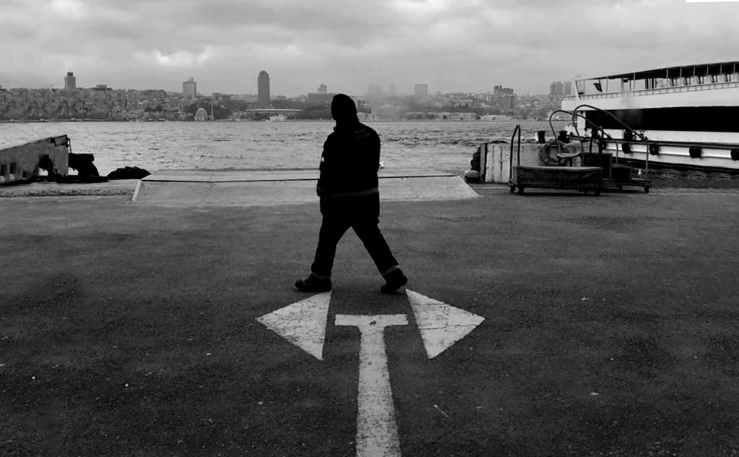
Our outlook determines a great deal about our attitude and the way we approach forks in the road, but as we mature and age, our outlook becomes molded not by our own ideas, but by the complex interaction of life-changing moments and events, and the decisions we make during and after they occur.

Preparing

Photo by Anna Shvets on Pexels.com

To prepare for something, you must know in advance what you need. We could prepare financially for an amount we want to have saved, or to make a large purchase. We can prepare for emergency situations, road trips, parties, etc. Preparation takes time, and the length of time depends on the event and how much resources are required for it.

The same could be said for our own projects, like writing a book, a DIY project, a painting, etc. But just because we prepare, doesn’t mean things go as planned. There are always unexpected twist and turns that happen along the way, things that shake the foundation of our planning. Preparation can only take us so far, but we also must be able to adapt when the unexpected occurs.

Collection

Photo by Engin Akyurt on Pexels.com

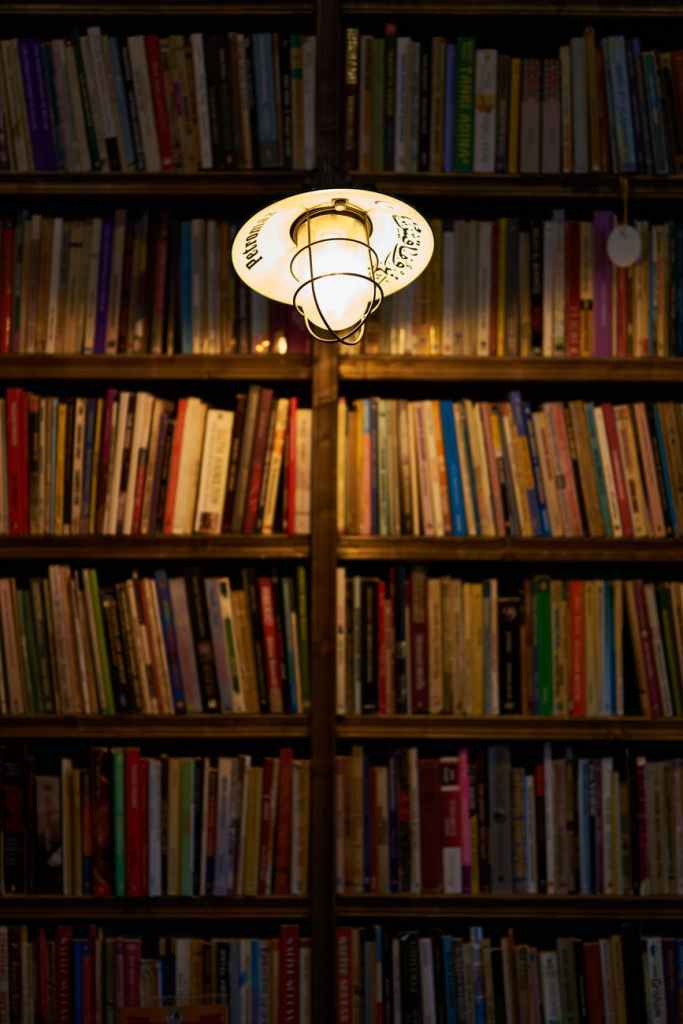
Collecting things can be a fun hobby, especially if it’s something that we can enjoy like books, movies, etc. I used to collect books, buying various books from authors I enjoyed reading (even if I didn’t get to reading all of their books) and housing them on my bookcases. As the years past, I would revisit the books, open them up to read a few pages, then put them back to read another.

But in general, collecting things never seem to have an end. Not only that, we run out of space, have no place to store the newest items for our collection. Overtime, the collection will gather dust, and we might even forget about what we had bought–or grew out of them.

Some people donate their collection to make more space, or because they no longer have an interest in the hobby or the things they collected. In my case, I donated boxes of books, not only because I did not read them anymore, but because I didn’t have the space for them.

It felt good to have less stuff, to make room for newer things. I still think about the books I read, the ideas and characters they implanted in my mind. Even though the physical books aren’t in my possession, the books themselves have stayed with me in how they shaped me and influenced my life.

When Things Aren’t the Same

During one of my day trips, I got this feeling that things weren’t the same anymore. With everything that has transpired, the vibe was different at the place I visited. The scenery was the same, and so was the environment, but my outlook was different. I couldn’t unplug myself from the memory of what it was like before.

It’s similar to meeting someone you hadn’t met in years, or visiting a place that you hadn’t been to in who knows how long. You can’t help but compare the present experience with the last–hope that it is the same or better.

Things have changed a lot. They seem quieter now, and less crowded too. My last memory was one filled with activity, noise, energy. But things have calmed, and the experience was like seeing shadows of the past.