Skills We Pick Up

On our journey through we life, we pick up new skills as we go. Sometimes it’s out of necessity, and at other times, it’s out of interest. The new skills we develop expand our repertoire of knowledge and abilities–giving us more confidence in what we can do and bring to the world.

Some of the skills we develop have nothing to do with what we majored in at college or what we do for work. It could be a hobby, such as gardening, or something essential, like cooking. The skills could even be things that we’re not even aware of, such as how to fix/repair something in the house/car, or making monthly/yearly spending budgets on the computer.

To develop our new skills, we can watch tutorial videos, read articles and books, or we might go as far as to take classes on them. But the best way to learn is by doing. Whether if the skill we’re learning is painting, writing, or a new language, we have to be engaged in the process–practice what we know (no matter how little it might be) so that we can improve and gain experience.
Parking Spot

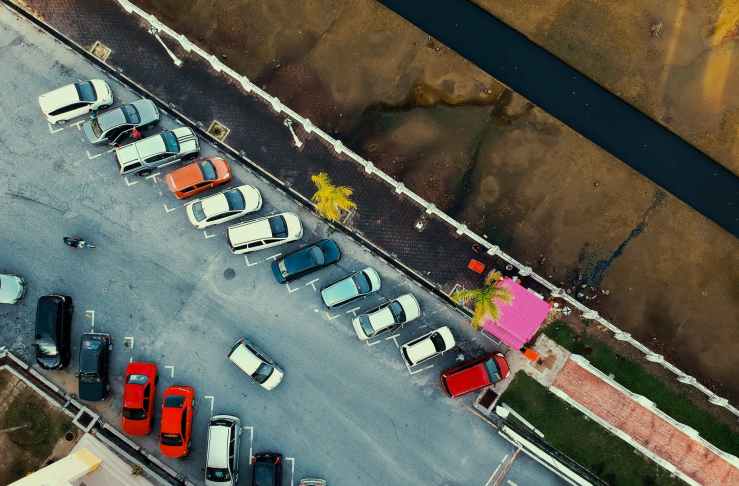
Photo by Pok Rie on Pexels.com

At apartment complexes and job sites, people will park at the same spot even if there is no designated parking spot. Occasionally, they’ll park elsewhere if their spot is taken, but if not, they’ll park at their spot as if it belonged them.

Why do people prefer parking at the same spot as if it had been reserved for them?

Is it because we’re creatures of habit, and we like routine and predictability? If we had to park somewhere different everyday, then we’d have to remember where we parked when we left, taking us more time to find our vehicle. Plus, when we park at the same spot, we know exactly where to go, and that we won’t have to spend time looking for our vehicle.

When someone parks in our “unofficial” spot, it disrupts our daily pattern–forcing us to decide where to park–taking us more time to park and head into work or our home. If we’re in a hurry, we can’t afford to look for a different spot, which might be farther from the front door.

It’d be like walking into work everyday and having a different desk. Even if all the desks were the same, we like having our space tidy and organized to our standards. Not only that, but we like knowing that the way we left things yesterday will be the same today.

Barely Awake

When we’re barely awake, it can be hard to focus, let alone get things done. But we do it all the time. When we wake up early and get ready for work, our mind is catching up with our routine. It’s aware of what’s going on, but it’s on autopilot–functioning on muscle memory and reflexes.

All it takes is a bit of coffee or a drink of cold water to wake ourselves up. But when we don’t get the chance to, it’s like driving a car on a freezing winter day without warming it up first. It can start and drive, but it’ll be sluggish, rattling itself down the road as if it was about to fall apart.

When we’re barely awake, we force ourselves to move about, rushing to go here and there, to do this and that, without taking the time to become fully alert. But when we give ourselves time in the morning to get ready, to eat breakfast, or make coffee, we’re present in the moment–allowing ourselves to be fully awake, rather than barely.

Short Break

When we’re working on a project but can’t make any headway, it’s as if nothing we try will work. Regardless of how many solutions we come up with, we’re still at the same roadblock, stuck on the same problems.

But after a short break from it (say a day or so), things suddenly click together. Progress is made almost effortlessly. It’s as if all the solutions have appeared out of thin air. We start to wonder why progress couldn’t be made the day before. Why was it so difficult to see the solutions that are so obvious now?

When we take a break from something, we reset our mind. That allows us to see things objectively–to spot the errors and inconsistencies in a project. When we’re in the moment and working on something, we become focused and driven to get the results we want. And when we’re trying to make progress after hours of work, the goal is to get it done, rather than to see the quality of the work itself.

But when we take a break, we’re not longer in that mode of trying to finish. Instead, we’re see the project as it stands–looking at it as if it were a finished product–and that’s when we start to spot the errors.

Wandering Mind

When you’re reading a book and you can’t seem to focus, your mind tends to wander. It wanders on to random things–things that aren’t pertinent to the story, but keeps it active: the last movie you saw, the last thing you purchased, etc. A wandering mind is an escape from the book. In fact, it deters you from making any progress in it.

A wandering mind doesn’t happen for no reason at all. It’s a sign that the book didn’t hold your interest–didn’t keep you engaged in the story or characters. There comes a point when your brain is struggling to maintain focus while you read, and when it lets go, the mind wanders without you realizing it. Even though it might seem like you’re reading when it happens, you’re actually just reading the words on the pages, but not the meaning behind them.

It’s like reading a sequence of random numbers, thinking that there is some sense to it when there isn’t. To get back on track in the story, you have to start from where you last remembered (or left off). Even though you lost time, it was merely a delay. Besides, the book isn’t going to wander anywhere.

Utility

We often regard the things around us in terms of their usefulness. When objects are built/created for utility, they are designed to serve a need or to perform a certain task–and to do it well.

When “form follows function,” the utility of a building or tool is primary over its aesthetic quality. But when function replaces form, what we get is bland design: things that look boxy, rectangular, basic, but simple.

When something is reduced entirely to its function, then color, style, mood, tone, etc., are irrelevant in terms of what it’s supposed to do. As a result, we regard that object like we would a kitchen utensil. It’s not designed to inspire, not something that is supposed to have character, originality or distinction.

Utility is all fine and good if simplicity and uniformity were all that we were after. But we seek more from life. We want new experiences, and we want to improve and enhance the quality of our life. And when it comes to the utility of the things we own, their value not only comes from their usefulness or longevity, but in how they inspire us, elicit ideas, or evoke emotions.

Inner Dialogue

As we go about our day, we’ll think about our surroundings, and what’s happening in our lives. We might imagine an upcoming conversation we’re about to have, or have an internal debate about the pros and cons of a situation or idea. Whatever the case may be, we’re having an inner dialogue–working through the possibilities of what might be said, and what is the best thing to say.

It’s as if we need to rehearse the conversation in our mind before it occurs. This helps us to anticipate and to react to a wide range of scenarios. The inner dialogue is a part of how we voice our thoughts in a sort of batting cage. Besides, when we think, our ideas are bouncing all over the place, and people might not understand what we’re trying to say. But after some fine tuning in the batting cage, our ideas are clearer, and we feel more confident in expressing our thoughts aloud.

Zoning Out

Photo by Johannes Plenio on Pexels.com

Zoning out is kind of like slipping into a daydream. Our eyes are not shut, we’re not unconscious of where we are or what’s going on, and we might even be functioning to some degree. But our minds are so far off from what we’re doing that it’s as if we’ve left our bodies and traveled to a different place, a different world.

That’s what zoning out is like. It could happen when we’re staring at the TV but thinking about something completely different. We’re so absorbed in thought that the show or movie isn’t even registering in our brains. We’ve stepped into a space that is more real–a space that demands our attention and focus.

Even though from the outside, it looks like we’re watching TV, internally, we’re playing a game of chess, working on our financial goals, or imagining scenes for our next story. And once we’ve left our “space,” only then does it feel like we’ve been living in two different realities.

Forgotten Stories

Every once in a while, I’ll read a story of mine on my hard drive that I had forgotten about. When I read it, it brings a feeling of deja vu–like a dream that I had before. What’s surprising is the mindset I was in when I wrote it. The ideas in it are not the ideas that I would write about today. Even the story and the characters seem like they came from a different imagination than mine. Although they bear similarities with stories I had written about before, they have a uniqueness and distinction that is all its own.

Our forgotten stories reflect what our imagination was like when we wrote them. Our imagination has evolved over time, borrowing from our experiences and the ideas we’ve shed, developed, and the new ones we’ve learned about.

Forgotten stories are like timestamps of the past–works that captured who we were at a certain point in time. Although they do not represent who we are as writers today, they reveal why we write the stories we do.

Hidden Treasures

Photo by Caleb Oquendo on Pexels.com

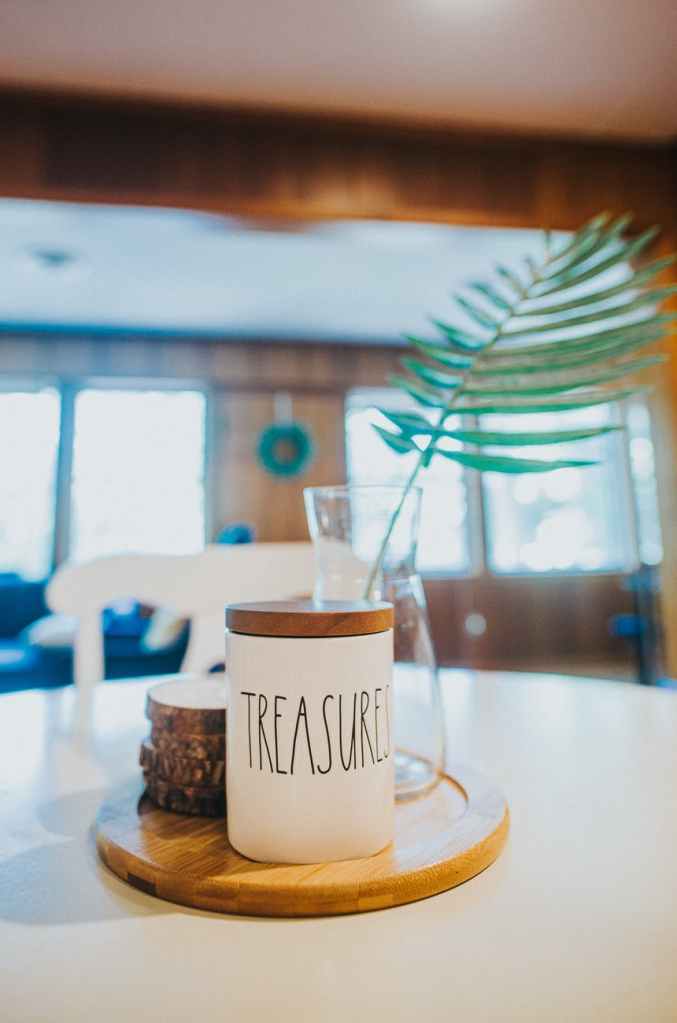
Whenever I reorganize my things, I often find hidden treasures in some box or bag that I had stowed away. Things that I forgot I had–things that I thought I had lost.

For items to be hidden treasures, they don’t have to be expensive or luxurious. They’re often sentimental items such as old photographs from family gatherings, CDs that I used to listen to, drawings that I had sketched in my youth, and artwork that I had made in college.

Finding a hidden treasure often brings a surge of memories. What counts as a hidden treasure is different for all of us. It could be something as simple as a gift from someone we knew, or a wristwatch we used to wear, a book we used to read, or a toy from our youth. They may not mean much to anyone else, but they have great significance to us.

These hidden treasures remind us of how transient life is, and that the things that are important to us are not important because of their monetary value, but because of the memories we’ve attached to them.