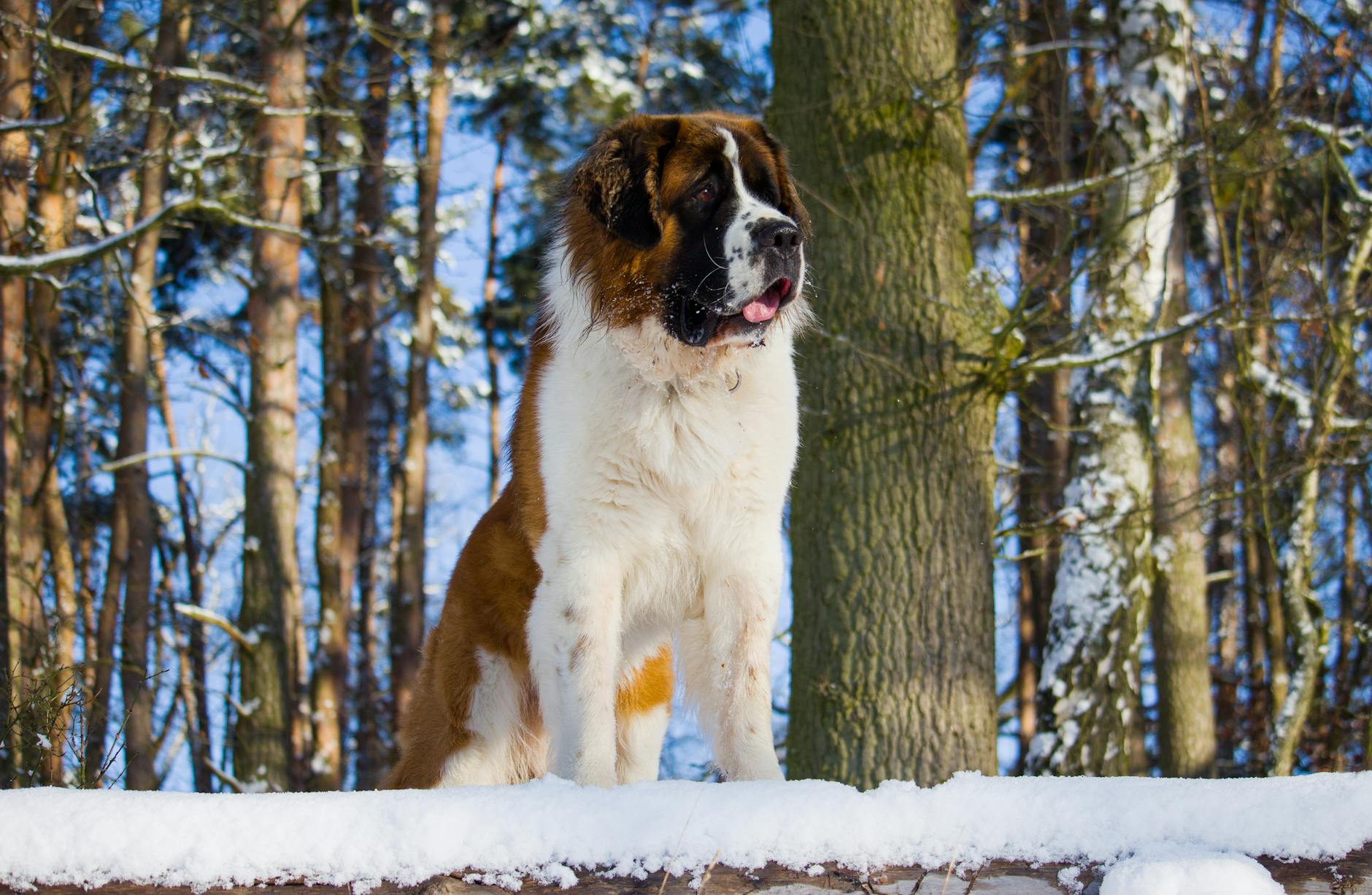


Where the Red Fern Grows, written by Wilson Rawls, published in 1961, is a story about a boy, Billy Colman, who–after two years–buys two hound dogs, and the bond he forms with them in Ozark, Oklahoma. The story is told in the first person point of view (in hindsight–when Billy is older) as he takes us through his years living in the wooded area of Ozark, which is teeming with wildlife, including raccoons, bobcats, and mountain lions.
Set in the 1920s, it takes Billy two years to save up $50 to buy two hound dogs that he finds in an ad, purchased with the help of his grandfather, who owns a local store. Billy lives with his parents (Papa and Mama), and his two sisters in a cabin-like home in the woods, and often, he must walk to places, whether across the rivers, mountains, or hills, to get where he needs to go.
After purchasing the two hound dogs as puppies, he raises them to go hunting in the woods with him. We then follow his adventures as he hunts with Old Dan and Little Ann, the names of the sibling hound dogs, where Old Dan will bawl and chase, whereas Little Ann will bide her time to outsmart the prey.
Later in the story, there is a hunting competition, and that’s when Billy, his father, and grandfather, go together on a horse-drawn cart to where the competition is being held, hoping to win the gold cup. There is a tense scene where, as the three, and a judge, are looking for the dogs in the woods, the snow begins to fall heavily, leaving them to decide whether to keep looking or to go back to camp.
The book also explores how Billy’s mother wishes to move out of the wooded area, given the financial straits they are in, to give her children a better education. Set in the 1920s, the story really puts you in that period where nature, and the unpredictability of circumstances, is predominant in impacting the characters’ lives. It’s a story that illustrates the strong bonds that can form between family, as well as pets, and the perseverance to achieve ones goals.