Routines

Photo by Pixabay on Pexels.com

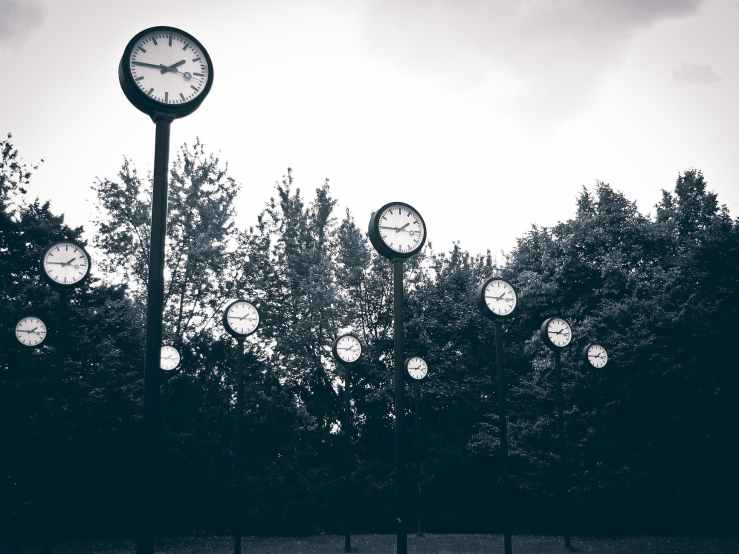
What’s so important about routines is that they get you into a rhythm, a way of living and operating that is dependable and consistent. It’s similar to having a schedule, such as waking up early, making coffee at a certain hour, going to work, or creating art. When you have a routine, you’re reinforcing a process that will help you meet your goals, since goals often require an outline, which, when broken down, is essentially a series of discrete steps that must be carried out in a specific order.

But we might break from a routine if we feel that it is dull or stifling to creativity. When this happens, we either avoid the routine, abandon it, or change it up with slight adjustments, such as starting it at a different time, or adding new steps along the way.

And it wouldn’t be a routine if we didn’t carry it out regularly, because we all know that it’s not a routine if it’s done once, kind of like a short-lived experiment, or a spontaneous act. But if a routine becomes so ingrained that we do it subconsciously (such as typing one space after each word, or capitalizing the first letter of a new sentence), then it becomes what we call natural or second nature.
Typewriter

Photo by Suzy Hazelwood on Pexels.com

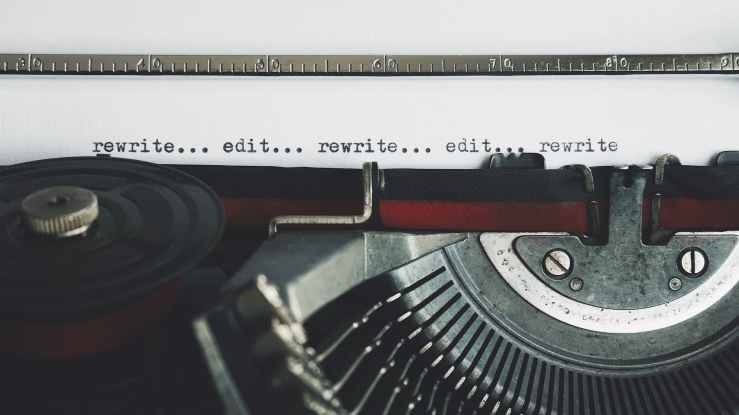
Typing on a typewriter takes some getting used to if you’ve been typing on a computer a lot. The great thing about typing on a typewriter is the immediacy of the printed word, since they show up on the page the instant you type them.

But what takes some getting used to is the fact that the keys must be pressed more forcefully, like you have to put more effort into pressing the keys instead of letting them roll off your finger tips, as is the case on a computer keyboard. And unlike a keyboard, you can’t fix your mistakes immediately after they’re made, nor can you delete a word if you accidentally typed the wrong one. Whatever mistakes you make are permanent; you have to live with them and move on despite wanting to fix them. And for me, since I’m used to typing fast on the keyboard, typing in a sprint on a typewriter will often leave a trail of light impressions on the page (i.e. uneven darkness in the words).

I’ve seen people type with just one finger on each hand, kind of like they were fishing or hunting for the letters. But I’m the kind of writer that was taught to type with both hands and not look down at my fingers, since it was kind of like cheating.

I do like the sound that the typewriter makes when the keys clack, which creates a strange mechanical rhythm, almost like a beat. Even when I make mistakes, I let them go, since it’s part of the writing process (not trying to make things perfect anyway). And the faster the keys clack, and the more dings I hear after each return, the more that’s being written, like hearing my thoughts come to life.

Research

Photo by Suzy Hazelwood on Pexels.com

Sometimes when I write a story, I get so caught up in research that I lose focus on what I was actually writing about. I’ll go down a rabbit hole, becoming more immersed and intrigued in the research itself than the actual story. When this happens, I have to tell myself to pause and get back to writing, or else I’ll get so sidetracked that I’ll stop writing altogether.

It’s similar to going back and editing a draft while you’re in the middle of writing it. Instead of moving forward, adding lines and pages to the story, you spend more time trying to polish it as if it were the final draft. And like research, it can bog you down, take up precious time, spoil the momentum of the writing session.

What I like to do to counteract this is to tell myself to keep writing as if I am on a time crunch. Doing so encourages me to jot everything down onto the page, putting me in the moment of the dialogue and visuals. This urgency to get every thought and idea out before time runs out is like an act of recording their transitory and ephemeral existence before they disappear for good.