Ahead of Schedule

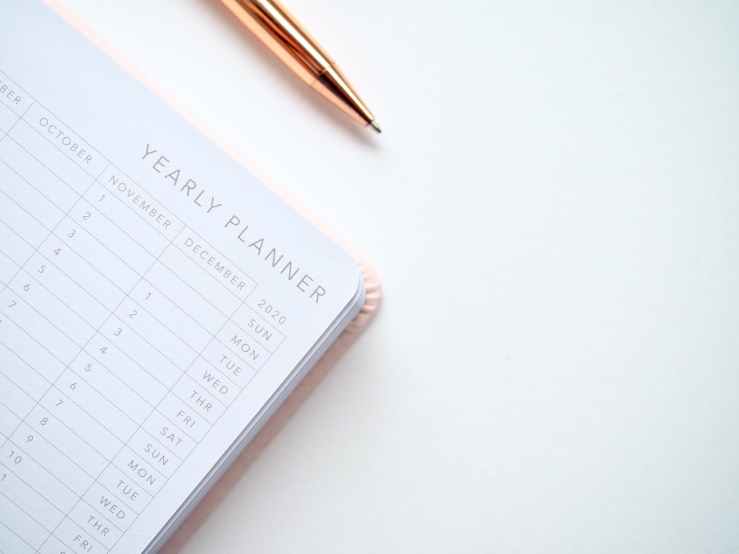
Photo by Jess Bailey Designs on Pexels.com

Being ahead of schedule gives us a sense of relief, a feeling of satisfaction and accomplishment. It eases the pressure of having to finish our deadlines by the nick of time, not to mention, easing our worries about falling behind. It allows us to relax and to work at our own pace, to go above and beyond our current goals, since we’re already ahead.

But the time, energy, and work we have to put in to reach that point can be arduous and tiring. It’s like running at full speed during a race, and once we realize that we’re ahead–by a wide margin even–we can start to slow down, breathe, albeit, for a short time. At that point, we can begin to pace ourselves, to not be so tense about the race as we make it to the finish line.

Being ahead of schedule allows us to plan for our next projects, and gives us the option to wrap up our current project sooner, assuming that we continue at the same pace we were at. Being ahead of schedule gives us the breathing room to explore other ideas that we haven’t delved into, and to improve upon our ideas as well. When we’re ahead of schedule, it’s like having more space freed up in our minds for dormant ideas to take shape, and to take notice of what we’ve long forgotten or had once dreamed of starting, but didn’t have the time to do.
Edits

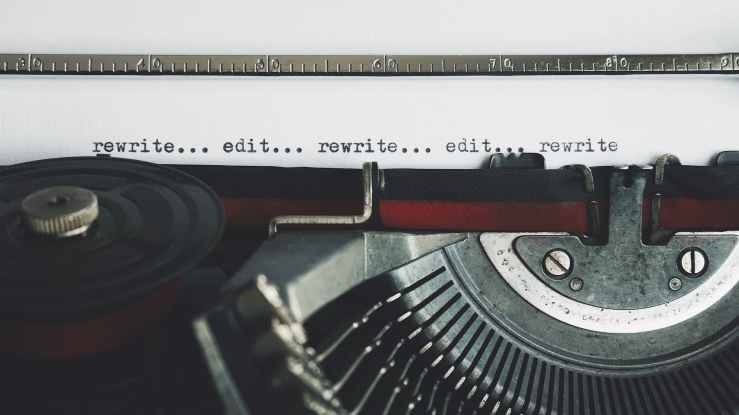
Photo by Suzy Hazelwood on Pexels.com

In this day and age of twenty-four seven news, social media posts, texting, etc., I can’t help but notice editing mistakes wherever I look. I’ll see things like the letter “I” not capitalized when used as the subject in a sentence; I’ll see typos and misspellings when these mistakes could’ve been fixed if the writer had reread the sentence once; I’ll see words dropped from sentences, the wrong word usage, and run-on sentences with no punctuation, which will read like someone was trying to say something in the span of a paragraph in one breath.

But when we compare this type of writing to published books, it gives a different experience for the reader. Whether it’s a novel or a non-fiction book, they have to be carefully edited to be taken seriously (and to be read for a great length of time). They have to be double checked, triple checked, and reread and rewritten multiple times before they’re even published. It’s a far cry compared to reading something that’s posted online, which might’ve been written in a few seconds, then posted.

The amount of time and effort we put into our writing matters when we want to make a strong impression and leave a lasting impression on the reader. Thus, if I see typos and grammar mistakes galore, I won’t take the prose seriously since the editor in me will automatically come out and want to fix everything. The point didn’t come across as it was intended, since there were flaws in the delivery. Ultimately, it’s a matter of quantity versus quality, and which we value more in how we approach writing and what we choose to read.