Errors

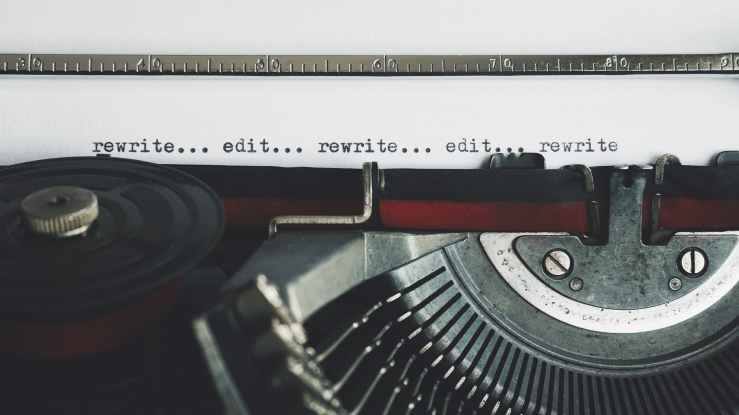
Photo by Suzy Hazelwood on Pexels.com

Whenever I catch errors as I’m reading a book, I’ll be taken aback in surprise. At first, I’ll be in disbelief, and I’ll reread the passage to make sure that I hadn’t misread it or that it was supposed to be a mistake (i.e. if it was part of a character’s dialogue). Once I realize that the error I caught was indeed an error, I’ll start to wonder how many more there are–if I had missed any prior.

I won’t feel disappointed by the error, however. On the contrary, it reinforces the fact that no matter how thoroughly a book has been checked for spelling and grammar, there are errors that are hidden–errors that seem to blend in one with the page, and could only be caught by someone who isn’t familiar with the book–someone who is reading it for the first time.

There’s a saying that during the editing process, we should get another pair of eyes on our draft. For one, the reader can catch the errors we missed due to our blindspots, since we’re so familiar with our work that we don’t see the errors that would stand out for someone else. Also, even if we’ve proofread our work a dozen times, that doesn’t mean that there aren’t errors we had skimmed over or missed. Besides, our knowledge and application of grammar rules, punctuation, and word usage could have flaws.

Short Chapters

When chapters are short (i.e. 2 – 5 pages), it’s easy to breeze through them, get to the next chapter without taking a break. On the other hand, when chapters are long, it can get tiring and exhausting to reach the end. For me, I’ll close the book once I start yawning or my eyes get heavy. If I don’t make it to the end of the chapter on the second reading session, I’ll be less inclined to pick up the book for a third session.

And each time I read it and don’t finish a chapter, I’ll read less each time I pick up the book. It’s like I’m not making any headway in the book. When I read a book, I want to feel rewarded by the experience, to learn something new or at least make it to the next check point. And if I’m not at least making it to the next “check points” (i.e. chapters), and it becomes more of a chore to read the book than a rewarding experience, I’ll stop reading the book altogether.

If I’m reading a book with short chapters, even if the chapters are uneventful and slow, they won’t strain my attention nor my concentration. They’re short enough where I can get through the pages without feeling bogged down by the pace or the lack of action or dialogue. I can make progress through the book much more efficiently, since each one presents something new without overextending itself with filler. Besides, short chapters enhance the pace of the book, and they can have as much or more impact than a chapter that’s lengthy and tedious, which can put me to sleep.