
Humor

Photo by Ilargian Faus on Pexels.com

A story that has humor gives it that extra value of entertainment and engagement that uplifts the experience from one that is simply read to one that we can laugh out loud with.

Humor can come in the form of irony, satire, or even straightforward jokes. When it is in the form of irony, it can give character and a playfulness to the dialogue or the events that unfold. For example, they can give insight into the way the characters think, or in the way the events unfold in relation to what we expect (perhaps, defying our expectations to great surprise).

When the humor is satirical, it reveals the ridiculousness or absurdity of a situation with an effect that can be more powerful than just plainly saying it is. And with humor that is straightforward (i.e. when characters tell jokes), it shows us a side of the characters that we wouldn’t otherwise know unless we were told that they had a whimsical side to them.
Due Dates

Photo by Pixabay on Pexels.com

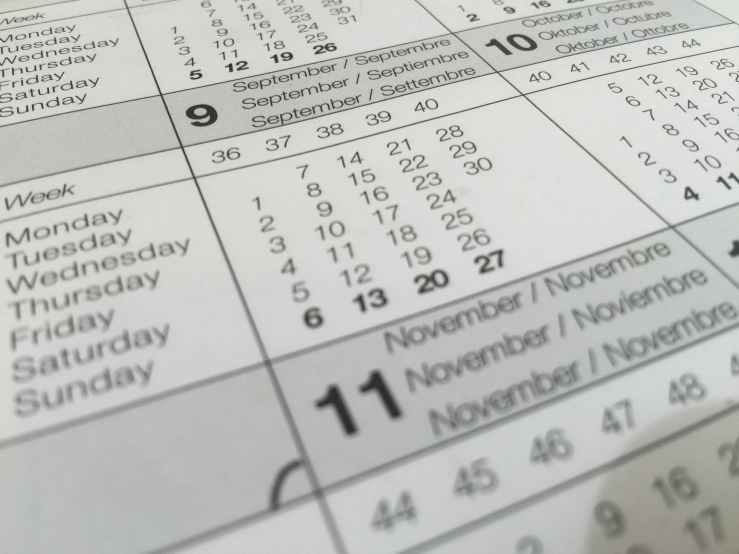
Due dates give us an incentive to finish, to wrap up whatever we’re doing before we proceed further. Even though there can be pressure and anxiety associated with due dates, they push us to work harder, to focus on the task at hand until the work is completed.

But due dates can have a negative effect as well. Depending on the amount of work there is in proportion to the due date, that due date can add undue stress and fatigue, especially if the work far exceeds what can be accomplished by the due date. This can make the work/project unbearable, unenjoyable, and make us want to never return to that kind of work or project again.

On the flip side, without due dates, the initiative isn’t there to finish a project. We can take as much time as we need, but on the assumption that we’ll be working on it consistently, and that we’re not pulled away by other things that distract us or demand our attention. But how often are we distracted, and how often do new things come up that demand our attention? Daily, of course.

Thus, there must be a middle ground between the two extremes of unreasonable due dates and no due dates at all. That middle ground exists where experience shows what can be achieved given what is humanly possible. Exceeding that limit can cause us to sacrifice quality for completion, or to sacrifice completion for quality. But the question is how far can that limit be pushed?

Not Correcting Errors

When writing, I try not to look back. I try to forge ahead despite the typos and wrong words that are typed in the sentences. There’s an urge to go back and correct things, to add a comma or period here there, or to fill in the missing words that will complete the sentences. But I ignore the errors for the sake of putting all of my thoughts down, to keep the flow going.

The flow is the important part. Writing requires quantity of words, and without them, there’s little to edit. To increase the word count, I have to keep writing no matter what, because if I stop to correct things, I’ll lose the momentum, lose the flow that allowed my brain to crank out ideas in quick succession.

It’s tough though. There are times when I want to go back to the last sentence to add more. Go back to the last paragraph and tidy things up. But that can be done later. That can be done after everything’s been written down, and it’s time to edit.

Fixing Things

Photo by Pixabay on Pexels.com

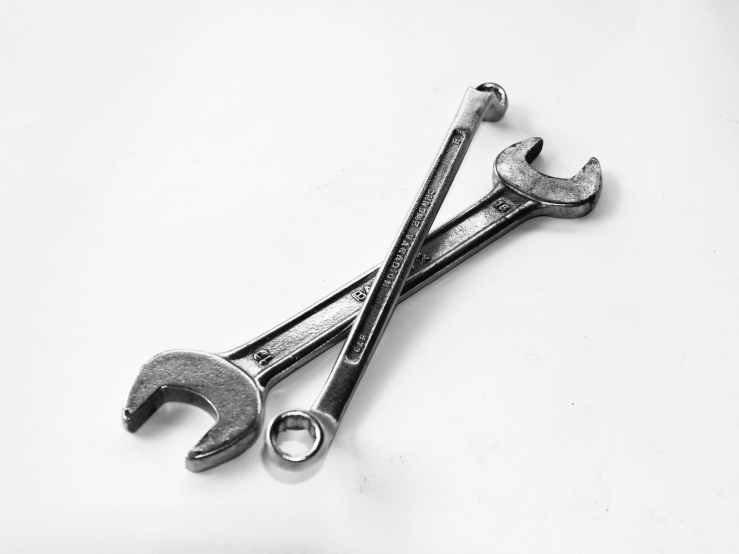
Without something to fix, our day would seem fruitless. Whether if it’s an intellectual question, a practical situation, a mechanical/engineering problem, or a work of art, we need something to fix, something to invest our energy and labor in to repair or rebuild what was imperfect and flawed. If we don’t have something to fix, it’s as if our talents would go wasted and untapped.

When a problem presents itself to us, we’re engaged in the process of solving it, of bringing a resolution to it. This process activates our minds, taps into the creative parts of our being, and brings about a chain reaction of events that can go on for days or weeks or months until we’ve fixed the problem.

Sometimes that problem could be as simple as changing a flat tire on a car. It requires us knowing what tire to replace it with and how to replace it efficiently according to the correct steps. We have to carefully consider how we’re going about it, and apply our knowledge to complete the task. When it’s done, we feel satisfied, relieved. But that will be short lived when the next problem arises. Solving problems and fixing things seems to be an innate part of who we are. It’s as if without problems to solve or fix, we’d languish in inertia.