When writing a story or making a work of art, spontaneity can bring excitement to the creative process. When we’re spontaneous, it’s like taking a sudden turn on a familiar path, which invites a host of new ideas and possibilities. It’s as if we’ve gotten access to a new set of creative resources–ones that we wouldn’t have considered if we hadn’t been spontaneous.
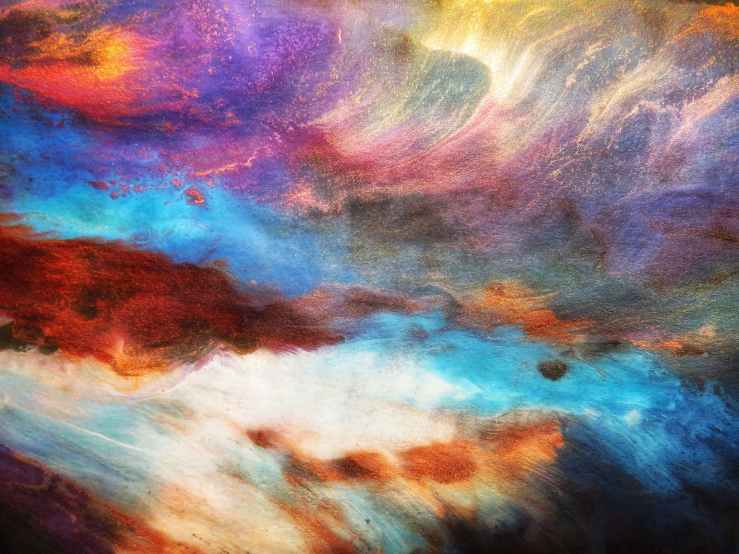
But being spontaneous has its drawbacks. If we decided to be spontaneous on something we’ve already planned out and designed, that spontaneous decision can ruin it if it doesn’t work out. It’s like applying a new layer of paint over an old painting–hoping that it’ll improve it. But if we mess up, well, there goes our painting.
Spontaneity is a double-edged sword. When it works, it works really well–elevating our work to a higher plane of creativity. When it fails, it can pull our work down–or ruin it–as mentioned before. We can be spontaneous when we’re trying out new ideas for the first time, since we can always start over if it falls flat. But when it comes to applying it to something we’ve already planned out, such as a story, a painting, or any project for that matter, we can only guess how it’ll pan out.

 Fallton Havenstonne