Snooze Button

Photo by Aphiwat chuangchoem on Pexels.com

Right when we hear the alarm go off in the morning, we want to hit the snooze button and get more sleep. But we know we shouldn’t. We know we should wake up and hit the off button instead.

If we hit the snooze button, the alarm will go off again anyway. That few minutes of extra sleep is never enough. An hour or two more would be sufficient.

One way to wake up early–even before the alarm goes off–is to sleep early the night before and get plenty of sleep. If we feel like we need more sleep, it’s an uphill battle to wake up in the morning.

We’ll hit that snooze button until we’ve got barely enough time to get ready and go to work. And in that moment of panic, do we jump out of bed like we’re fully awake.
Reward

Photo by Josh Hild on Pexels.com

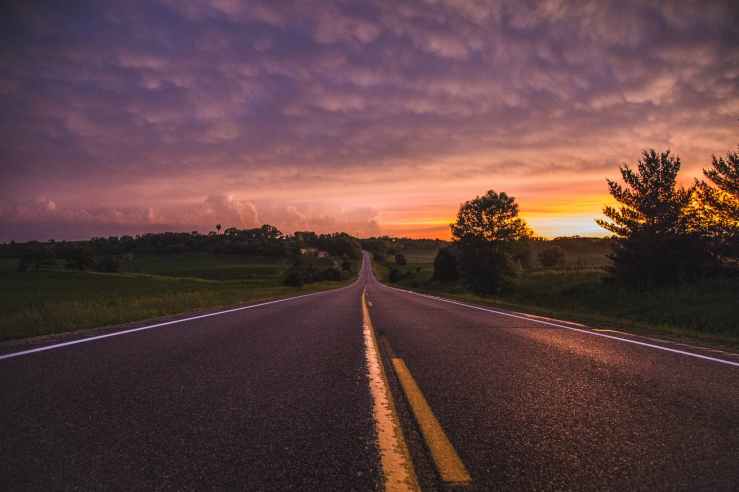
At the end of an arduous journey or project, we look forward to a reward. Something that acknowledges the effort and challenges we overcame to reach the end of the road.

But often times, the reward is short lived. Whether it’s a prize, or the satisfaction of seeing a finished work, the feeling of gratification and of a job-well-done will soon fade. Sooner or later, we want to start something new, and face new challenges that will push us to our limits. We need it despite the difficulties we went through–even when we said we wouldn’t do it again.

A reward will feel great in the moment, but one reward is hardly ever enough. Even after a break, we feel compelled to start something new, try something different. And in the end, it’s not really about the reward, but about the process of ever-changing growth and discovery that we take on new goals.

Clocks

Photo by N I E R O S H O T S on Pexels.com

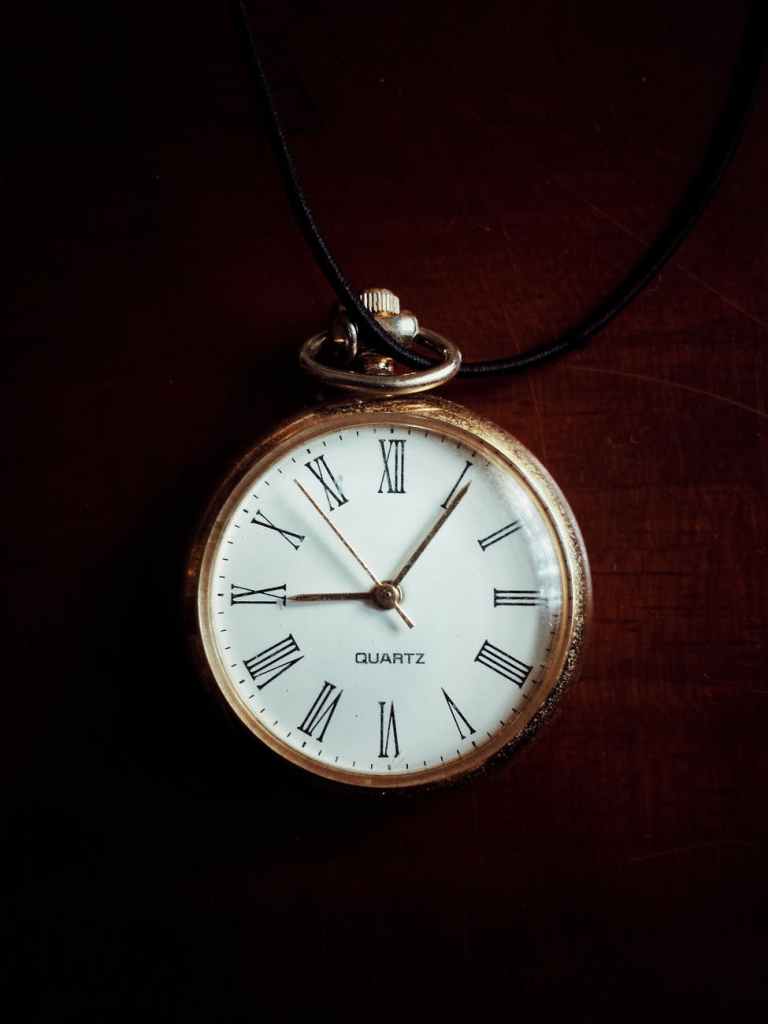
Time is something that our life revolves around. The clocks that we used to glance at on our wristwatch have been replaced by the clocks on our cellphones and computers. And those will be replaced by something else in the future–perhaps a ring, or something smaller, sleeker.

But no matter what form it comes in, a clock is essentially the same. It’s a device that tells time, that gives us information about when the future will happen, how much time we have until it comes. The only difference is that instead of checking the time, our devices have a way of keeping us occupied with it: apps, websites, games, messages, etc.

First Draft

A first draft reads like we’ve forgotten how to spell or how to form coherent sentences. It can be repetitive, awkward, and lack the clarity we’d expect from a good piece of writing. But a first draft is better than no draft at all. A first draft is supposed to be like a sketch without any erase marks, where the lines intersect and things are not proportioned correctly.

The first draft exists for us to refine and improve our initial ideas. Its purpose is to be edited, changed, and modified until it takes a newer and better form: the second draft.

When we write our first draft, we usually don’t want anyone to read it given how badly it reads, how incoherent and confusing everything is put together. But the final draft, the finished manuscript, can’t exist without the first draft. Editing can’t begin without it either.

Starting a Story

Photo by Kaboompics .com on Pexels.com

Starting a new story can be a daunting task. When you’re not sure of what to write about, you must pause for a moment and search for an idea that will be the catalyst for your story. But if you’ve chosen an idea already, then starting a story is all about doing. Once you get a rhythm going, everything else flows from it.

Before I begin a story, I will go through numerous ideas in search of the one that will be the core of the plot. Even if I don’t have all the details worked out, that’s okay, so long as the idea holds my interest and sparks my imagination.

The story usually begins as a scene. If the scene is clear enough, I can build off of it, make something out of it that will progress the story. But if that scene is too vague, or if I don’t know what the characters are supposed to do, I will struggle to start the story–even go back to the drawing board to see what went wrong or why I can’t start it.

Once the story starts, it can feel exhilarating, like you’re starting a new adventure. Things are slowly beginning to take shape–take on a life of its own. The next challenge is to keep writing that story, keep building on it day after day. If you do that long enough, you’ll have a finished work in your hands.

Potential

There’s always room for growth, the saying goes. Potential is something we can imagine. It’s not something we actually see. To have potential is similar to saying that we can do whatever we set our mind to. But will we set our mind on doing something, or will we just say we will?

When we are young, our potential seems limitless. We have an abundant amount of time, an abundant amount of options. But as we age, our time and options begin to dwindle. At some point, we must decide what to invest our time and energy into. We cannot spread ourselves thin, try to be the best at everything. We can only choose so many things, narrow it down to just a handful. For example, we choose hobbies and interests that matter to us, pursue jobs and fields that we can be successful in. For to be skillful and experienced in any field, it requires dedication, and years of practice.

Thus, we focus our talents and abilities on a handful of things out of a plethora. We become experts in them. We actualize our potential, bring what was once imagined into reality. But there is always room for growth–as the saying goes. We can always see a brighter future, a new ability to learn, and pursue new prospects and opportunities. Our potential is a limitless well of possibility. No matter how far we reach down and bring out the potential from within us, there always seems to be more.