Impatience

When we lose our patience, we make rash decisions that can leave us shaking our heads in hindsight.

This can happen with projects that we’ve been working on (i.e., rushing to finish it), or when we’re buying something. Of course, we make decisions out of necessity too. Sometimes things cannot wait, and we have to make an immediate decision. But in cases where we have time and there’s no urgency, a rash decision can lead to a regret later on.

I remember making rash decisions when buying something that I later found cheaper somewhere else. Most of the time when this happens, it’s because I’m in a store and I don’t want to spend time searching for it elsewhere (or for it to be shipped if its a product online).

But it could be argued that impatience can be a reward. There was an occasion when I was buying something online, and because it was on sale, I bought it instead of waiting for the price to go down. Albeit, it went down a little bit a day later, the price jumped up dramatically some days after that. Sure, I could’ve saved a little bit of money if I waited a day or so, but if I had waited longer than that, I would’ve had to pay a lot more. And in some cases, an item might be sold out if the opportunity isn’t taken to buy it.

So I think there is something to be said of both patience and impatience. We often praise patience because it’s associated with prudence. Of course, there are many things we shouldn’t be hasty about, especially major purchases or life-changing decisions. But quick decisions can be necessary when patience causes us to miss out on opportunities. And if we just wait and wait and wait, we end up not making any decision at all.

Weather

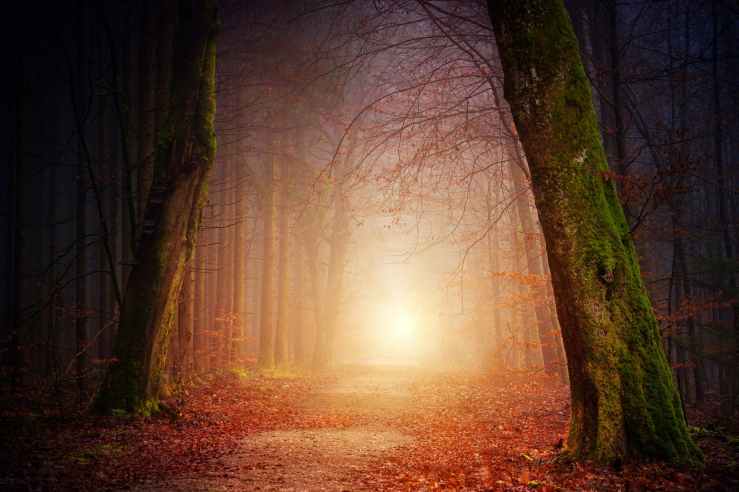
Photo by Johannes Plenio on Pexels.com

The weather can have a huge impact on our mood and motivation for the day. When I wake up in the morning and the weather is nice, it motivates me to travel, to explore, to exercise. It encourages me to be outside, to enjoy the breeze, and the warm temperature.

But when it’s really hot outside, say, in the 90s (Fahrenheit), it can be draining, exhausting. Although, visually, the sky can look as perfect as a painting, the discomfort and constant perspiration makes me want to retreat to anywhere with A/C.

When it’s rainy or overcast, it’s as if the weather is calling me to stay indoors, to utilize the time to write, to read, and to be productive. Sure, I can go outside if I need to, run a few errands, but it’s not the most ideal condition to do so.

The one exception is when it’s foggy. For some reason, I enjoy being outside in the fog–to see how it obscures light and creates an atmosphere of mystery. I certainly don’t like driving in the fog, and avoid it when I can, but to go outside and walk in the fog, feels like something magical–dreamlike.

Something Missing

Photo by Markus Winkler on Pexels.com

When we attain something that is missing from our lives, it feels great for awhile. Sooner or later, however, that feeling of elation begins to fade. We seek something else, something to replace that feeling of incompleteness and dissatisfaction.

This can apply to anything such as something we want to buy, or a goal that we’ve been pursuing. Once we get what we want, there will be something else in the future that we want. Something that drives us to pursue it.

Perhaps there is some good in this. As a writer, I’m never satisfied with just writing one story or one blog post. Likewise, there is no definitive goal where I can say after I write this epic book, I’m calling it quits with writing. On the contrary, writing is a lifelong pursuit, one that takes practice and dedication.

There’s always something to write about: a world to create, an idea to communicate. I could always think of something that I haven’t written about before. There’s no end to the topics and ideas that I could address.

But the negative in this endless pursuit of things/goals is when we pursue beyond our means, beyond what we’re able to attain to the point of exhaustion, weariness–until we’re burnt out. When our pursuit becomes detrimental to us, we know that something is wrong. There must be a limit. And once we’ve reached it, we know that it is time to take a break, to take a step back and look at what we’ve accomplished–what we have.

Getting Back into Reading

There are times when we take a break from reading. It might be because we’re starting a new project (i.e. a writing project), going on vacation, or we’re busier at work. Whatever it is, getting back into reading can be hard. It’s like exercising a muscle that hasn’t been used in a long time. Like going for a jog when we haven’t jogged in a month or two.

The words leap off the pages one at a time. Processing the sentences and the paragraphs feel like a chore. Everything takes more effort than it should. But overtime, it gets easier. We become quicker in processing the words, sentences, and paragraphs. Our page-count increases with each day.

Soon enough, the book that took us so long to start becomes a breeze to finish. We already have the next book in mind. It’s easier to dive into that book, to visualize what’s happening, to understand what’s going on. As we begin to read more, our pile of finished books begin to stack up.

Then something comes a long, something that deters us from reading regularly. We forget about reading, and focus on our current tasks. A month or two goes by. At some point, the itch to read comes back to us. But it’s not so easy to start.

Blindspots

We all have blindspots. We can’t see and know everything no matter how much we try. Our faculties equip us to discern and understand what we need, but not everything.

When we drive, a blindspot is that area that we can’t see even if we use our mirrors. We have to turn and see if there are any cars in that blindspot. The same is true when we create or study anything. No matter what resources or tools we use, there will be areas that we’ll be blind to. Not because we didn’t know better, but because we didn’t know something was there to begin with. We might have to ask someone for help, or do some extra research to discover what we didn’t know before.

Because we have blindspots, there’s always something new to learn, something we can improve upon. If we knew everything, we wouldn’t have any blindspots. But we only have two eyes, two hands, etc. It’s inevitable that our point of view won’t give us a complete picture of anything. We have to shed light on the blindspots.